Ten Books I'd Love to Be Gifted This Year
December 24, 2025 · 5 minutes read
Top Ten Tuesday - From the only cookbook Marcella Hazan brought to America to Pynchon's 'great cheese novel,' this year's wishlist has some stories to tell. (Plus: the housing market horror novel that might hurt too much to read.)
There’s something about asking for books as gifts that feels different from buying them yourself: it’s permission to prioritize reading, a signal that someone’s paying attention to what you care about. My list skews heavily toward Italian cooking lineage (blame a New York Times article rabbit hole), housing market anxiety made fiction, and stories of resistance that feel uncomfortably relevant. If you’re looking for cozy escapism, this isn’t really it.
This is part of the book blog Top Ten Tuesday link up hosted by Jana at That Artsy Reader Girl.
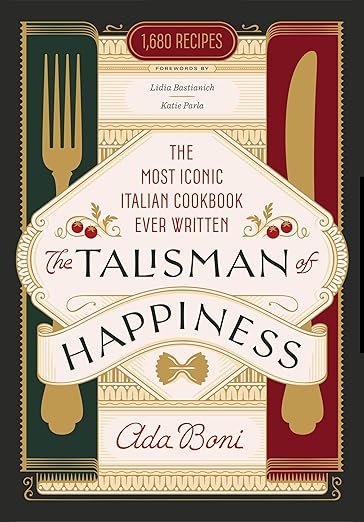
The Talisman of Happiness by Ada Boni
Ada Boni’s Italian classic finally gets an English translation. The backstory: the editor tracked down Boni’s living relatives to secure permission, a journey detailed in the New York Times that sent me down a rabbit hole, including tracking down the excellent Marcella Hazan documentary to see for myself. This was the only cookbook Hazan brought to America and used while building her empire, which makes you wonder why it took decades for English publishers to notice the foundation text. I did fall about a decade ago for the whole thing about the Silver Spoon being the cookbook that all young Italian wives received as a wedding gift, and now they’re saying that about this one, and at $60 its quite an investment… which is why it’s on the gift wish list ;)
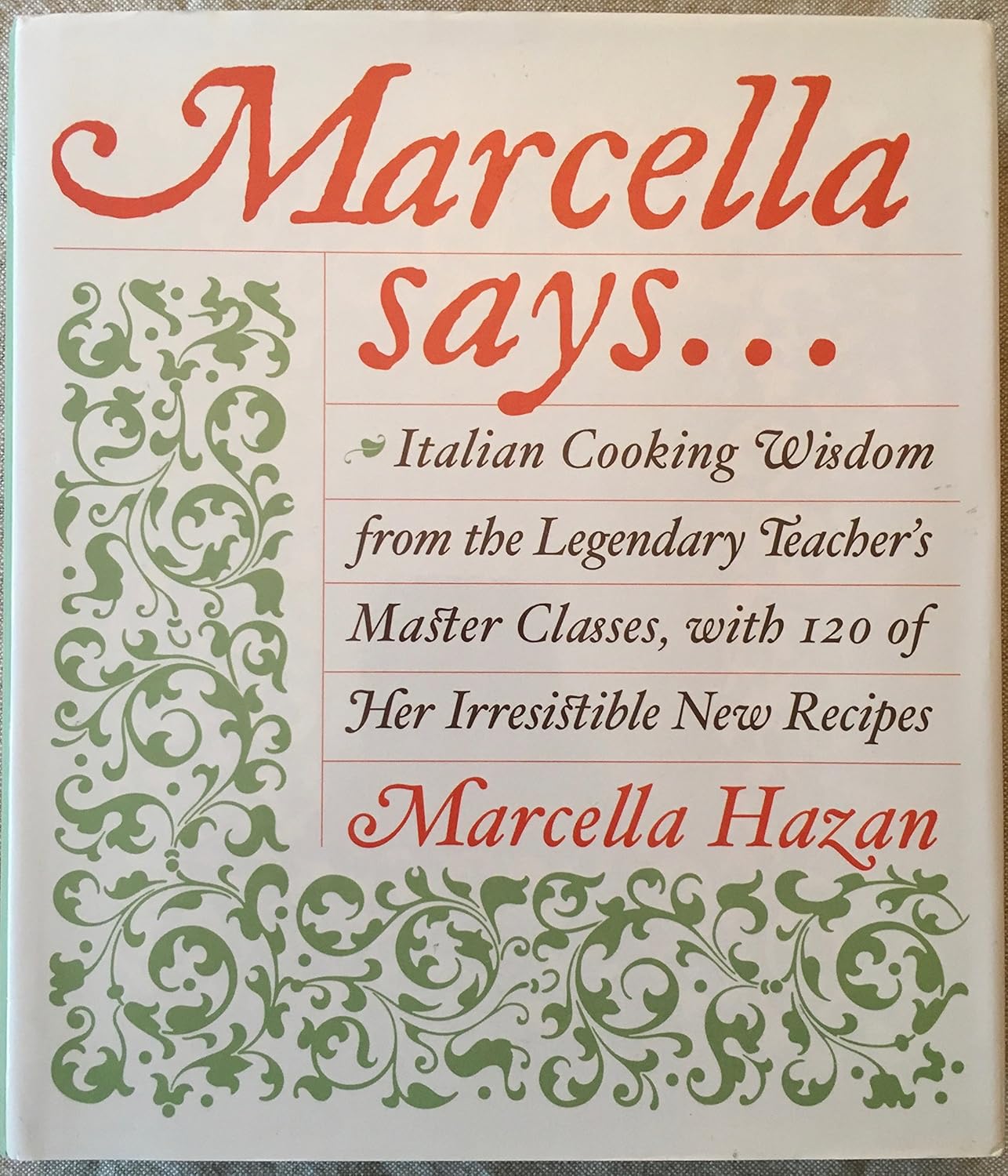
Marcella Says…: Italian Cooking Wisdom from the Legendary Teacher’s Master Classes by Marcella Hazan
The Ada Boni story led to the Hazan documentary, which led me to buy Essentials of Classic Italian Cooking for my birthday. Now I need this one. It holds the origin of my favorite tomato sauce recipe, the one I make by the gallon every late summer and freeze for winter. Master classes distilled into margin notes: all the why behind the how, no fluff.
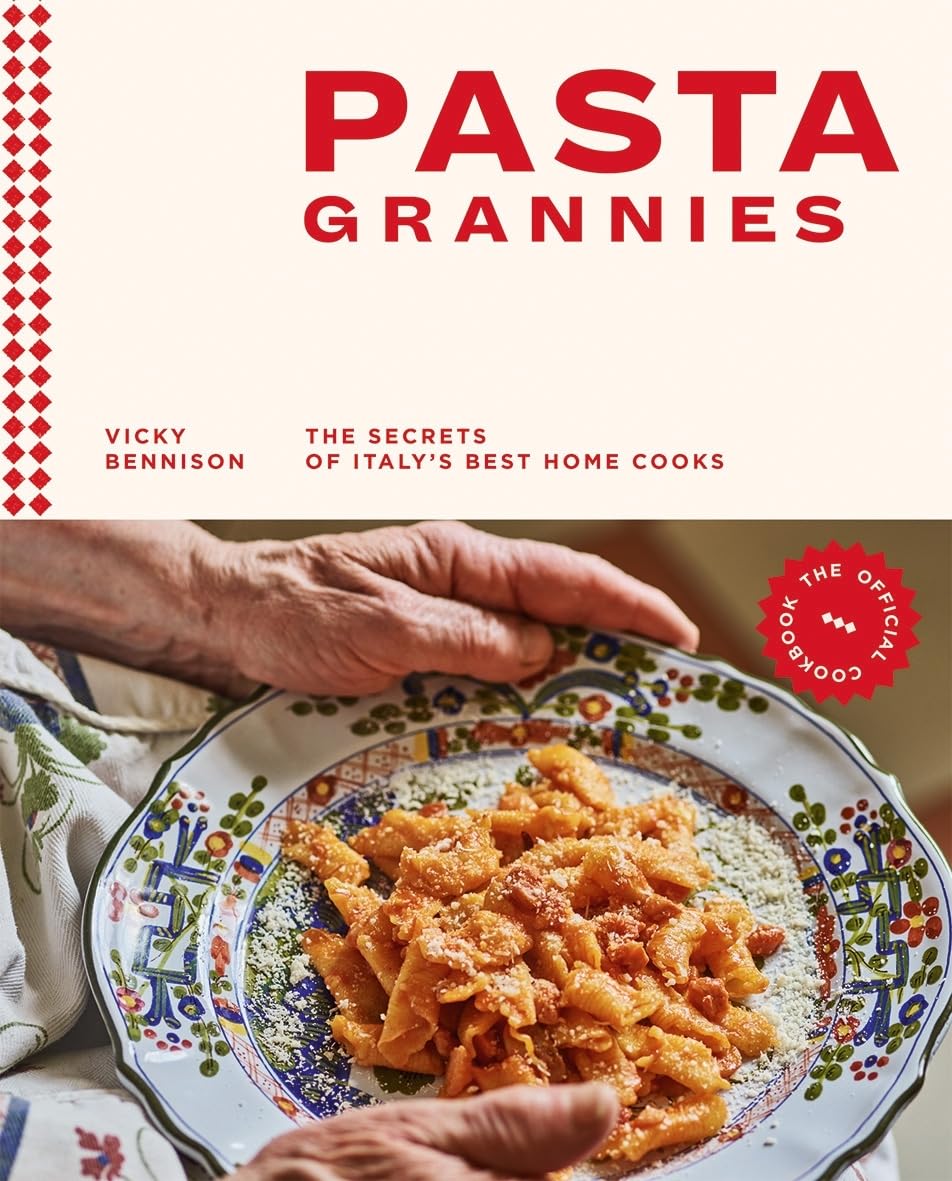
Pasta Grannies: The Official Cookbook: The Secrets of Italy’s Best Home Cooks by Vicky Bennison
Yes, it started as a YouTube channel. When 103-year-olds are teaching you how to hand-shape pasta while casually dropping life advice (“cooking for others cures depression; walk more”), I mean, I’ll listen. The book got the James Beard Award so I’m thinking this isn’t just internet content repackaged, its the real deal. Sometimes the algorithm does deliver the goods.
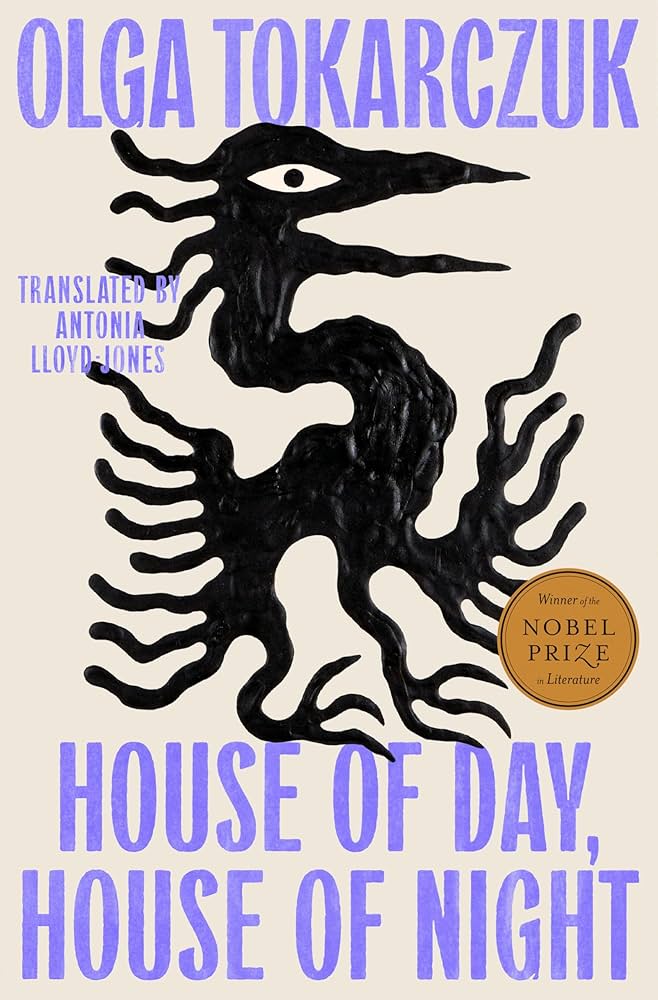
House of Day, House of Night by Olga Tokarczuk
A woman relocates to a remote Polish village where she knows no one and collects the locals’ stories, including a drunk who shares a body with birds. Tokarczuk layers generations of village history like sediment, the kind of narrative archaeology that makes you reconsider what “knowing a place” means. It’s the anti-cozy rural fantasy: no quaint neighbors, just ghosts and the strange logic of people who’ve stayed put for centuries.
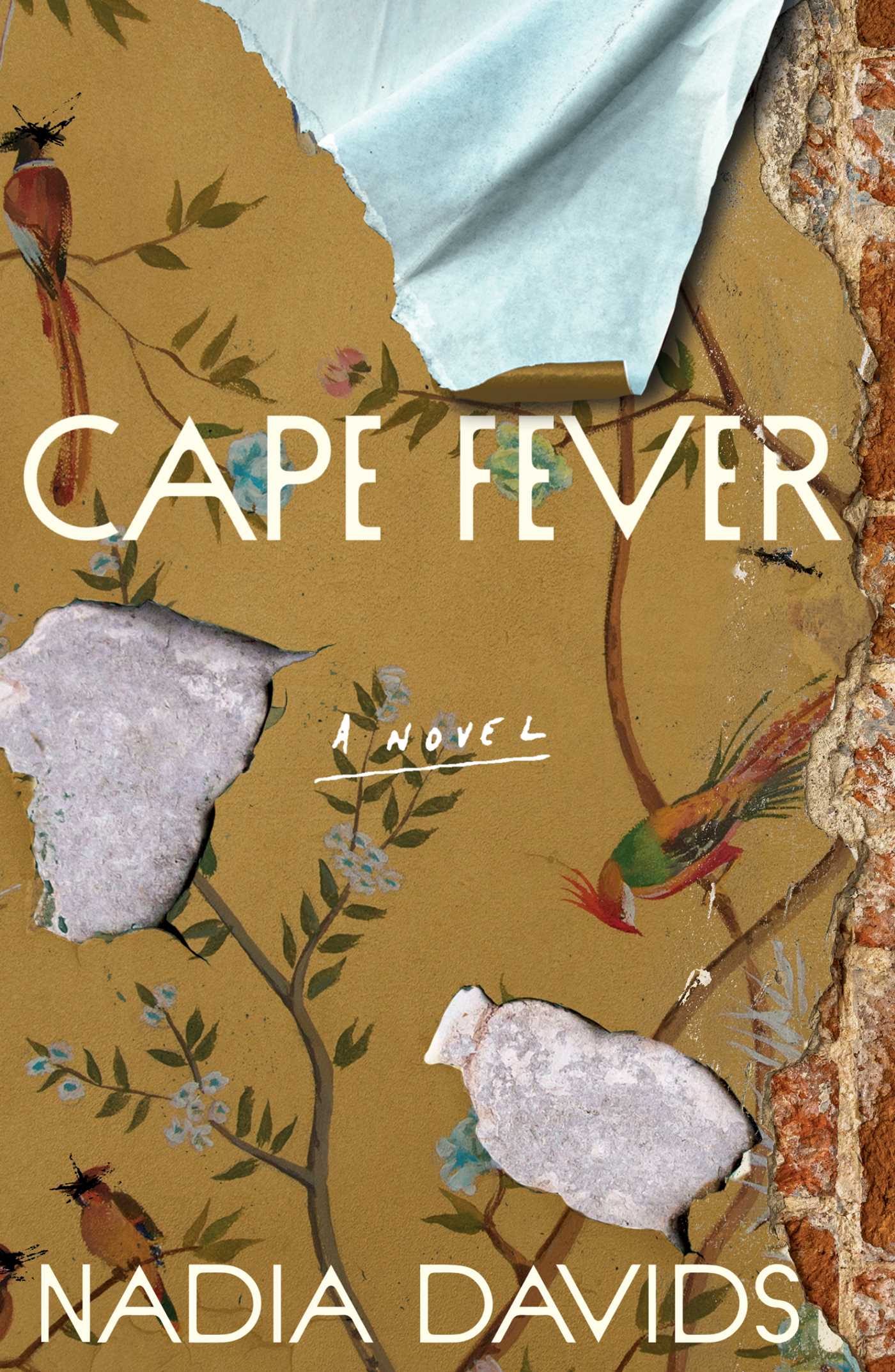
Cape Fever by Nadia Davids
Everyone should read work rooted in South African history. There are lessons here if we’re paying attention, and Davids apparently makes her points with the kind of underhandedness that lands harder than preaching. The specificity of Cape Town’s layered tensions has a way of illuminating universal power structures without heavy-handed allegory. Sometimes the sharpest commentary comes from contexts we’re too quick to dismiss as distant.
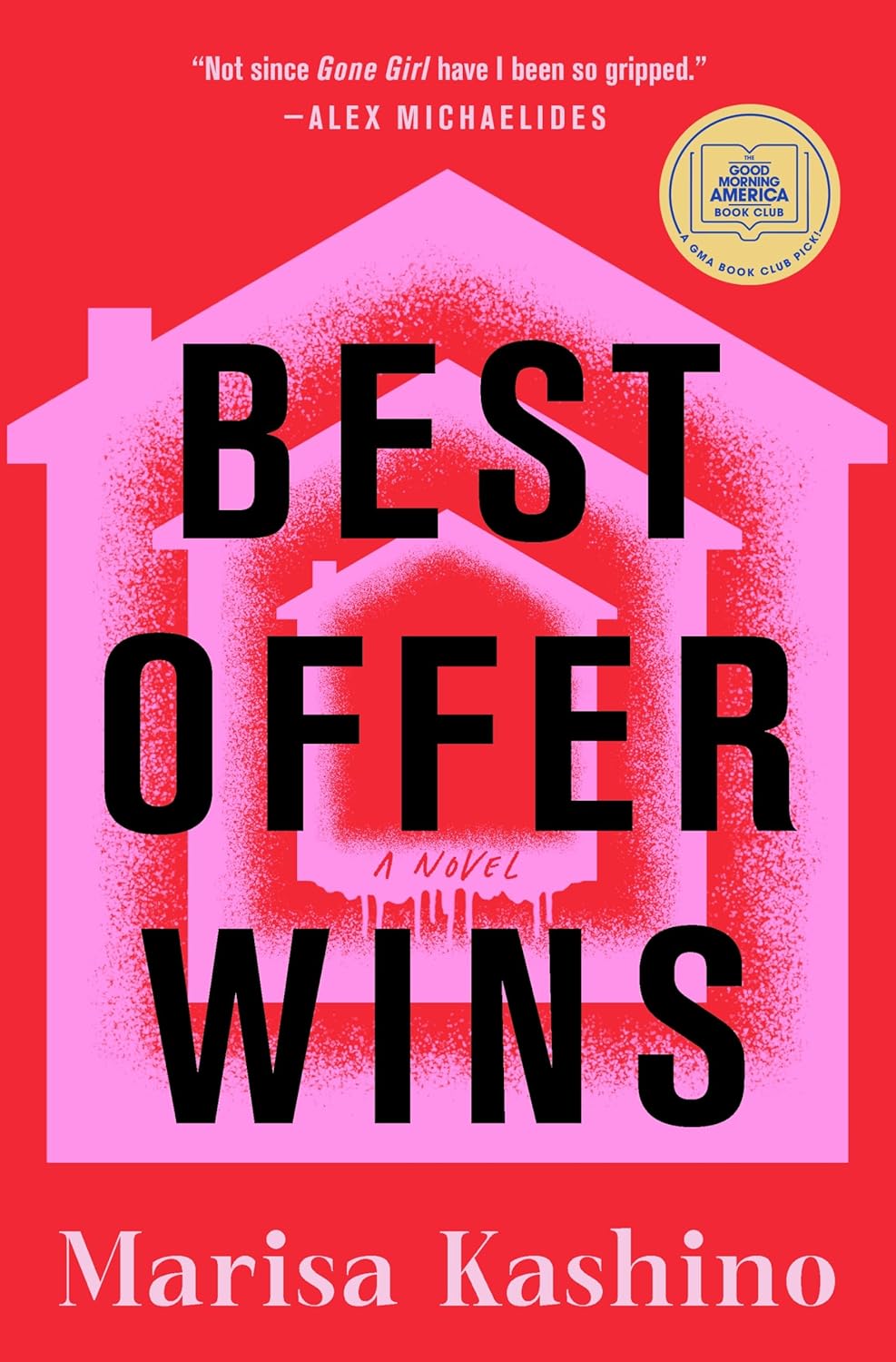
Best Offer Wins by Marisa Kashino
Eighteen bidding wars deep, publicist Margo Miyake is hunting houses in DC’s suburbs like it’s a blood sport. When homeownership becomes the gatekeeper to marriage stability and babies, the white picket fence stops being aspirational and starts being survival. Kashino’s debut sounds like it’ll hurt in the best way: darkly funny about the obsession that kicks in when you’re competing against all-cash offers while your future hinges on four walls.
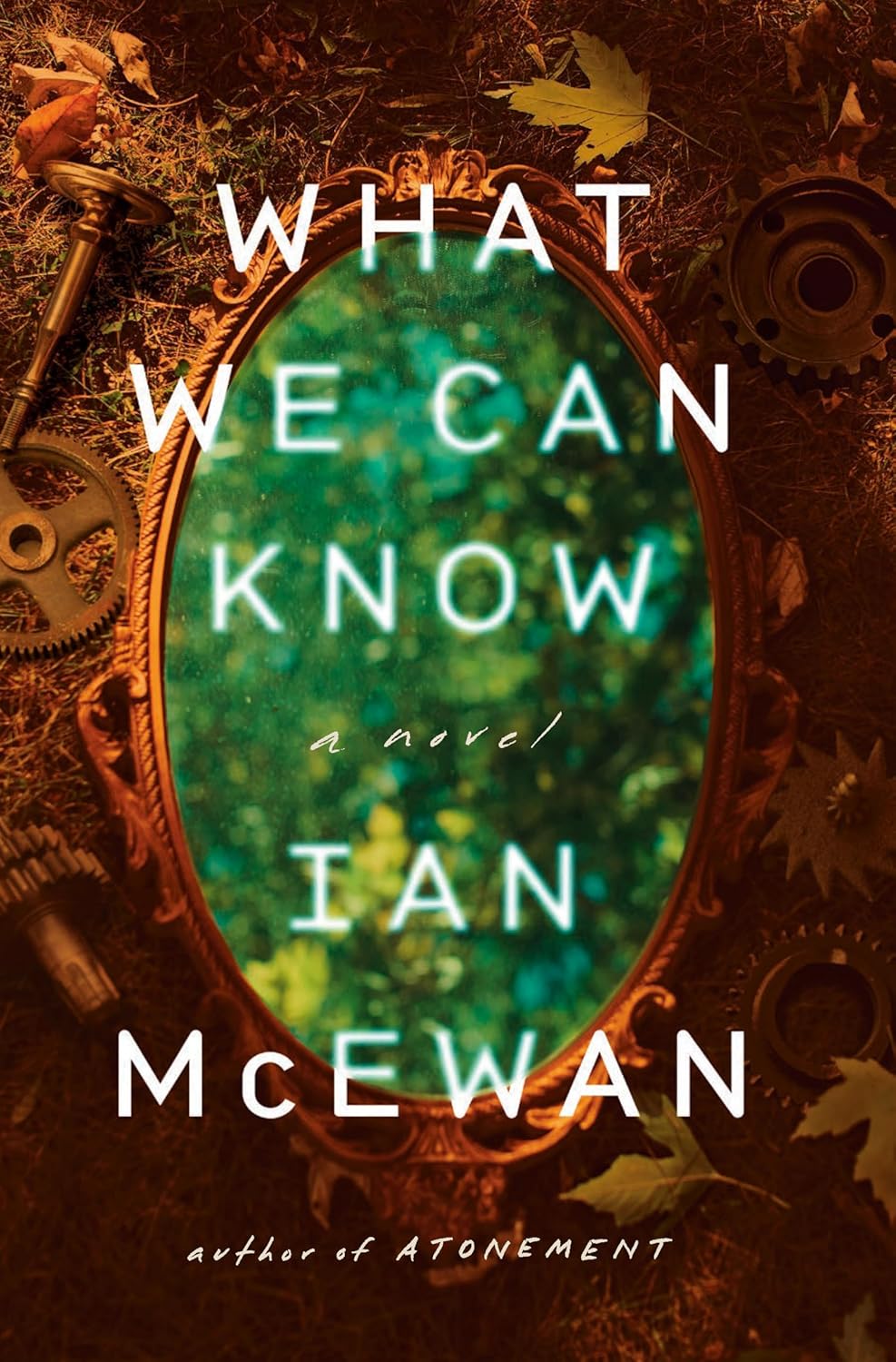
What We Can Know by Ian McEwan
McEwan splits timelines: 2014, a poet reads “A Corona for Vivien” at a dinner party, then the poem vanishes; 2119, after nuclear catastrophe and rising seas have drowned the West, a lonely scholar chases its ghost through archives. The setup is catnip for anyone who’s wondered what future generations will mythologize about us and what they’ll get spectacularly wrong. When the scholar finds a clue, the past unravels into entangled loves and a brutal crime.
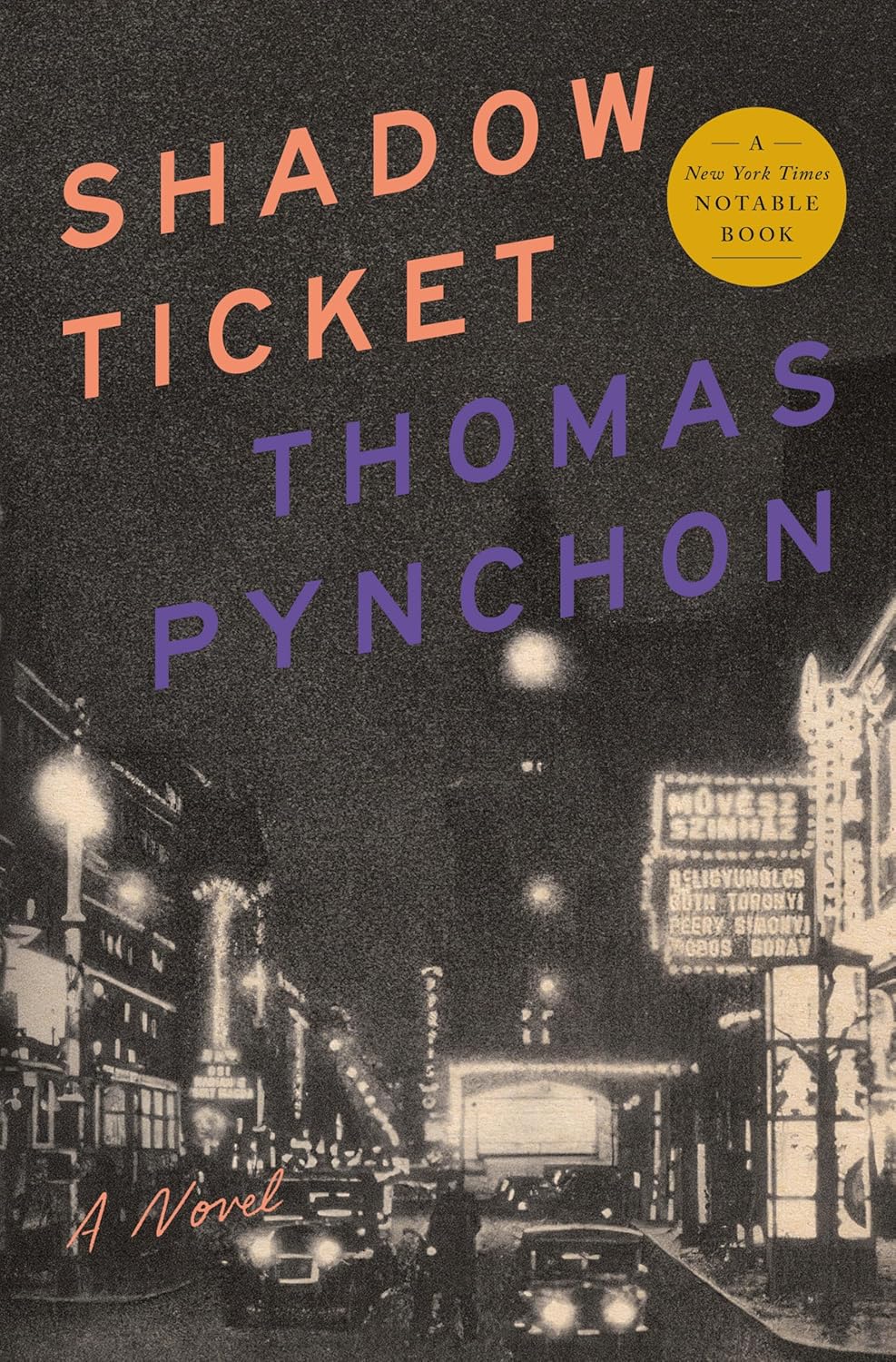
Shadow Ticket by Thomas Pynchon
I read a review calling this Pynchon’s “great cheese novel” with all the quotes to prove it, which is the kind of absurdist detail that makes his work worth reading. If Pynchon’s using cheese as a narrative vehicle (literal or metaphorical), but it’s going to say something sideways about capitalism, paranoia, or entropy. I don’t need more plot summary; I just need to get lost in the labyrinthine tangent he’s chasing this time.
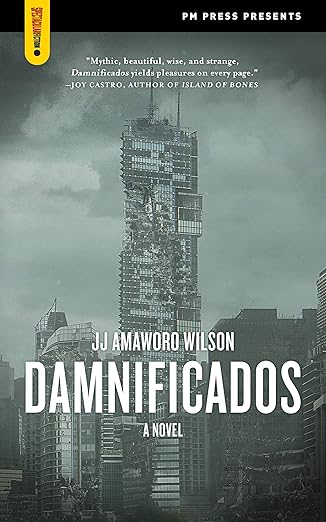
Damnificados by J.J. Amaworo Wilson
Six hundred vagabonds and misfits occupy an abandoned Caracas skyscraper (the real-life Tower of David squat city) and build schools, bakeries, beauty salons, and a militia to defend against corrupt police and tyrannical owners. The premise alone (heroic, hilarious survival against brutality) captures what happens when people create systems outside the ones that failed them. It’s speculative fiction grounded in actual resistance.
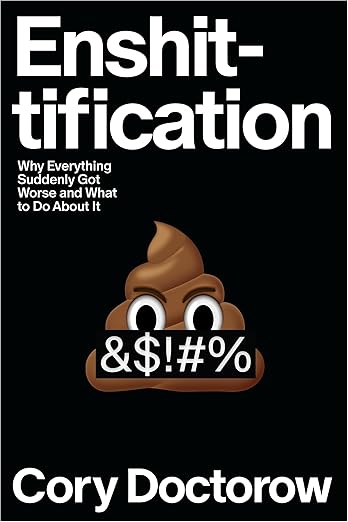
Enshittification: Why Everything Suddenly Got Worse and What to Do About It by Cory Doctorow
Cory Doctorow (master of the online diary, massively productive human, excellent explainer of tech chaos, hopeful sci-fi writer, computer science professor) has a grand theory of product suckage and I’m here for it. I’ve probably read much of this already in his blog. Having the argument bound in one place feels necessary right now. When platforms decay and services betray their users, Doctorow names the pattern and explains why it keeps happening.
I guess the thread in my wishlist is a disbelief in easy answers, and that the details matter, whether it’s hand-shaped pasta, a lost poem, a Caracas squat city, or why your favorite app suddenly turned terrible. May your holiday reading be just as unruly, and may the people in your life know exactly which books you’ve been circling. xo
Tags
Respond
Martyr!
It feels so American to discount dreams because they're not built of objects, of things you can hold and catalogue and then put in a safe. Dreams give us voices, visions, ideas, mortal terrors, and departed beloveds. Nothing counts more to an individual, or less to an empire...'Paradise is mine today, as cash in hand,' Hafez had written. 'Why should I count upon the puritan's pledge of tomorrow?'
Go As A River by Shelley Read
I had also gathered along the way all the tiny pieces connecting me to everything else, and doing this had delivered me here, with two fists of forest soil in my palms and a heart still learning to be unafraid of itself.
Ghost Work: How to Stop Silicon Valley from Building a New Global Underclass by Mary L. Gray and Siddharth Suri
There's a gray area between the robots taking over and human labor, and a new class of worker bridging the gap between what Artificial Intelligence systems can and can not do. Enter the world of Ghost Work."