Most Recent Additions to My Bookshelf
December 29, 2025 · 6 minutes read
My Top Ten Tuesday Post-Christmas book haul reveals: translated Nobel Prize winner I keep abandoning, writing guides that might finally crack my note-taking chaos, a bookseller so bitter it might be too mean even for me, and the best neighborhood book box score of 2025.
Most Recent Additions to My Bookshelf - Top Ten Tuesday
Post-Christmas book hauls are their own kind of autobiography. Some arrive wrapped with good intentions, others get rescued from neighborhood book boxes, a few are the result of finally clicking “buy” after months of hemming and hawing. My December additions are all over the map: translated fiction, writing guides I probably should’ve read years ago, Indigenous memoir, local history. The usual story is I acquire books way faster than I read them, and in 2026 I’m making peace with that. Here are ten new arrivals that’ll be staring at me from the nightstand.
This is part of the Top Ten Tuesday book blog link up hosted by Jana at That Artsy Reader Girl.
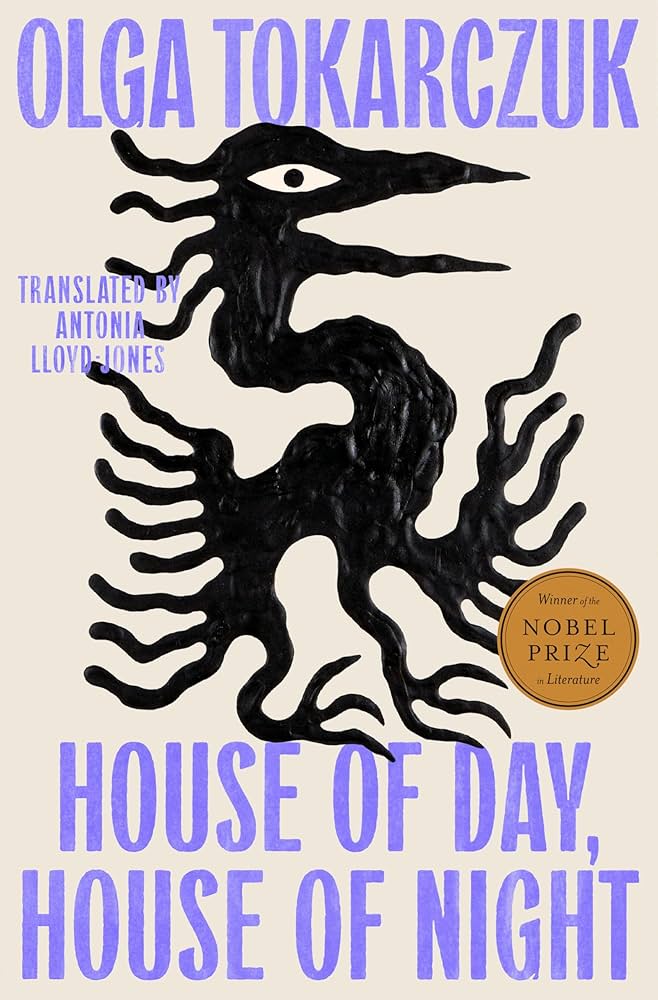
House of Day, House of Night by Olga Tokarczuk
Tokarczuk’s 1998 novel finally got translated in 2024, and it made it to my shelf after I stalled out on Drive Your Plow Over the Bones of the Dead last year. (I’ll finish it eventually. Probably.) A woman moves to a remote Polish village where she knows absolutely no one, and the story unfolds in these gorgeous fragments that jump around in time. It’s how memory actually works: nonlinear, dreams bleeding into waking moments, connections you don’t see until later. Her novels resist neat conclusions, which is exactly what I want when January hits and everything else demands resolution.
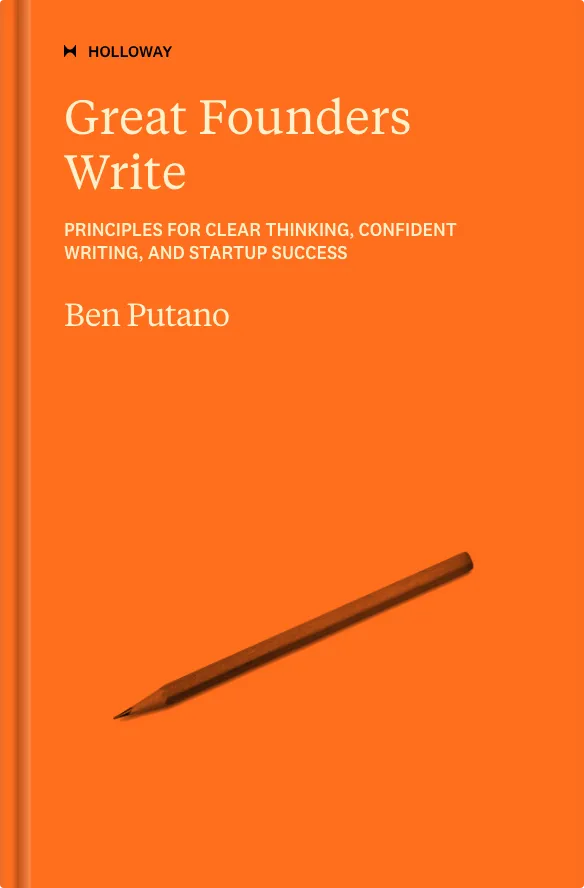
Great Founders Write by Ben Putano
I picked this up because I’m trying to get better at explaining technical decisions without sounding like I’m writing documentation as I write about the app I’m getting ready to launch. Most resources about founder writing focus on pitch decks and growth metrics. This one promises something more useful: how to turn “why I chose this approach” into something people actually want to read. We’ll see if it delivers, but I’m optimistic.
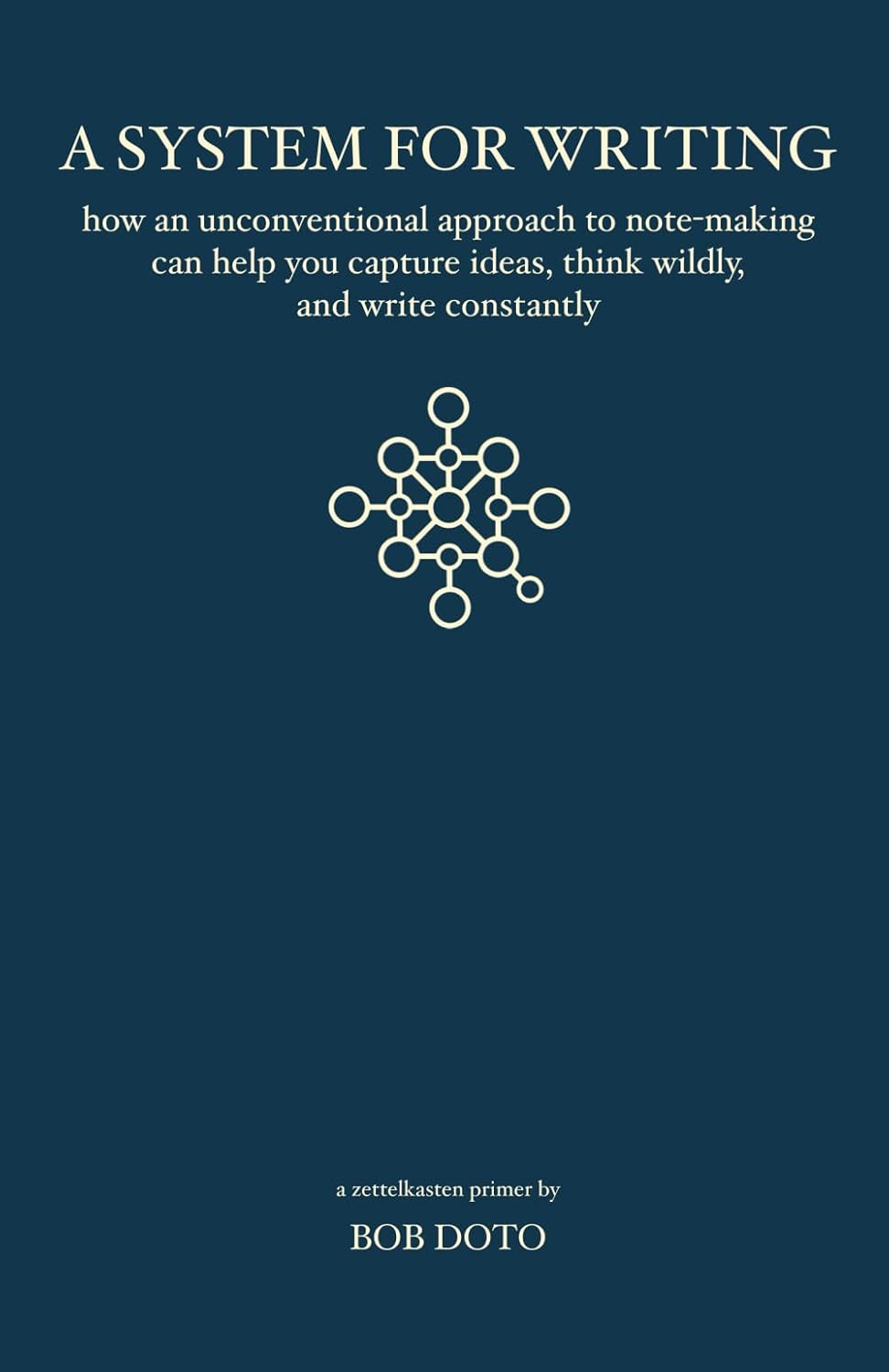
A System for Writing: How an Unconventional Approach to Note-Making Can Help You Capture Ideas, Think Wildly, and Write Constantly by Bob Doto
The Zettelkasten method—the atomic note-linking system that helped German sociologist Niklas Luhmann write 70 books—has escaped my abilities so far despite multiple attempts. I’ve been using Zettlr, a markdown editor built specifically for Zettelkasten, like it’s just a fancy text editor. Doto’s primer might help me actually implement the system instead of just having the tool. The goal isn’t productivity theater but real scaffolding: linking December’s insight to March’s project so nothing gets lost. But i also like a title that says something about thinking wildly in it.
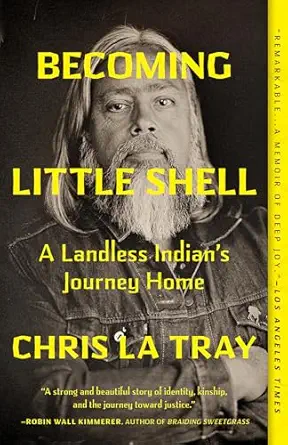
Becoming Little Shell: A Landless Indian’s Journey Home by Chris La Tray
My dad just read and enjoyed this and it ended up in my car on the holiday road trip, a good acquisition method, honestly. La Tray’s memoir follows his journey to claim Little Shell Chippewa identity, unraveling family mysteries where no one tells you the whole truth. The Little Shell Tribe wasn’t federally recognized until 2019, 139 years of bureaucratic limbo along the Canadian border. That intersection of personal detective work and systemic erasure hits hard, especially knowing how many families carry similar gaps and silences.
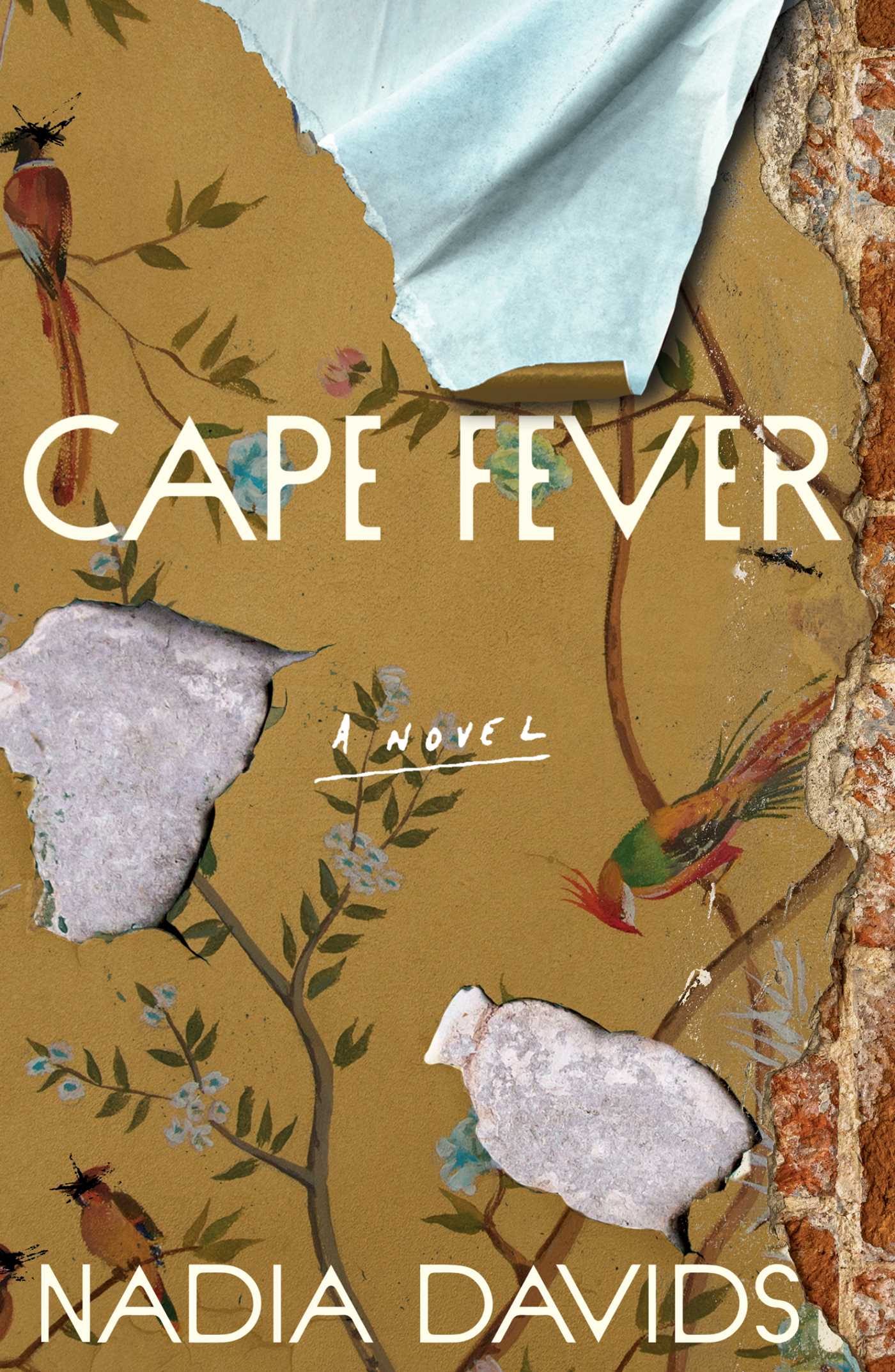
Cape Fever by Nadia Davids
This one was on the Santa list and delivered exactly what I wanted: people behaving badly while thinking they’re doing good, strategic incompetence as survival tool, and forces way bigger than anyone’s petty drama. Set in 1920s Cape Town under colonial structures that made everyone complicit in different ways, it sounds like Davids doesn’t write easy heroes or clear villains, just people navigating impossible systems with whatever agency they can grab. I’m here for it.
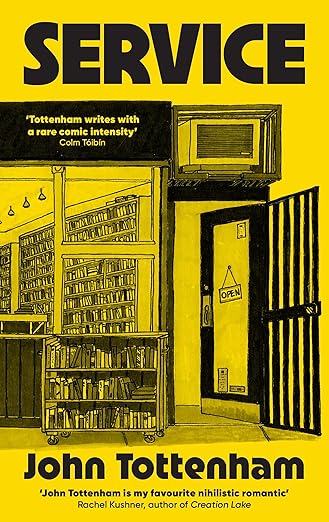
Service by John Tottenham
A bookseller novel about desperate unpublished jealousy—our protagonist watches everyone else’s mediocre work sell while his supposed genius languishes. Set in Los Angeles, where status anxiety runs high and everyone’s one pitch away from a deal except him. This could tip into insufferable (see: every MFA novel about how hard it is to be brilliant), but when done well, it exposes the actual cruelty of literary gatekeeping. It might be too much for me, but I’m willing to find out. Sometimes you need a book that’s a little nasty.
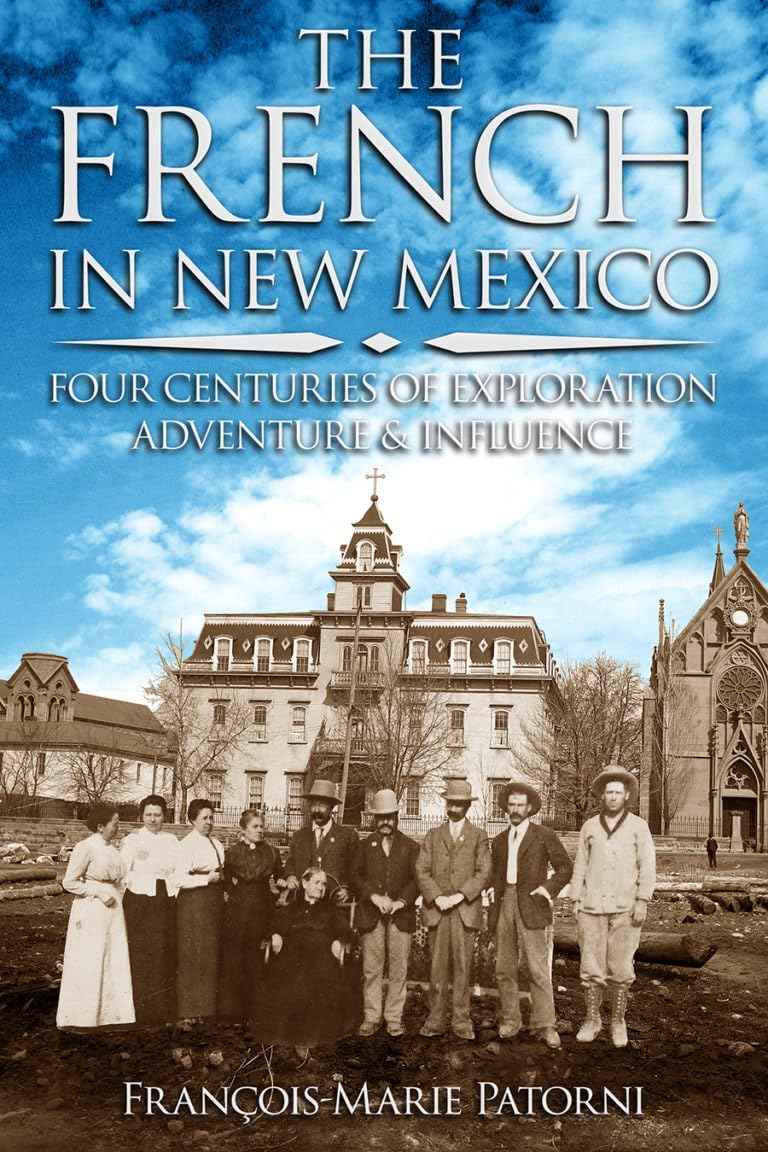
The French in New Mexico: Four Centuries of Explorations, Adventure, and Influence by François-Marie Patorni
When you think Europeans in the Southwest, it’s Spanish missionaries and conversos fleeing the Inquisition. But wherever Catholicism spread, French influence followed—traders, trappers, clerics moving through gaps between Spanish administration and Indigenous sovereignty. This Christmas gift is yet unopened but promises history that complicates the dominant narrative.
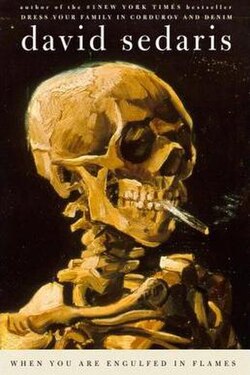
When You Are Engulfed in Flames by David Sedaris
Best find of the season: a pristine signed 2008 edition of this book in a neighborhood book box, complete with the original newspaper article about Sedaris and the bookstore receipt from the signing. You can see the whole story. Guy reads article, goes to signing, buys book and has it signed, reads a third of the book, shelves it for 17 years, finally puts it in the donation box. The gap between good intentions and actual follow-through is real but to my is my gain. Sedaris writing about quitting smoking and living in Tokyo seems perfect for late-night reading.
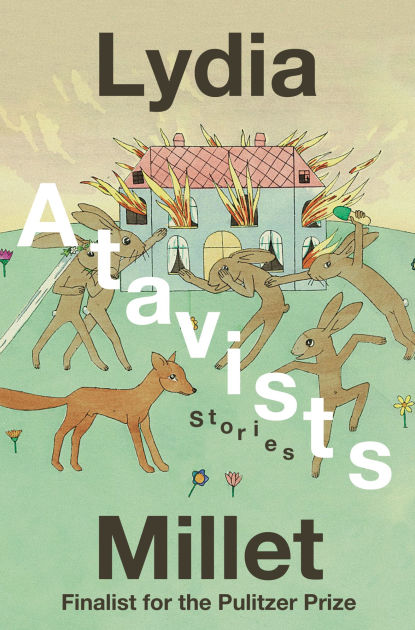
The Atavists by Lydia Millet
Lydia Millet’s A Children’s Bible is in my estimation maybe the best allegory for our boomer-haunted times, so when I saw The Atavists was coming, I grabbed it. This one follows a family dealing with extinction and inheritance, both literal and metaphorical. Millet does that thing where she makes you care deeply about both the people and the non-human world they’re destroying. I loved Dinosaurs too, her quiet novel about loneliness and connection that sneaks up on you. She writes characters trying to be decent in systems that make decency nearly impossible, and she never gives you easy answers. Looking forward to this one.
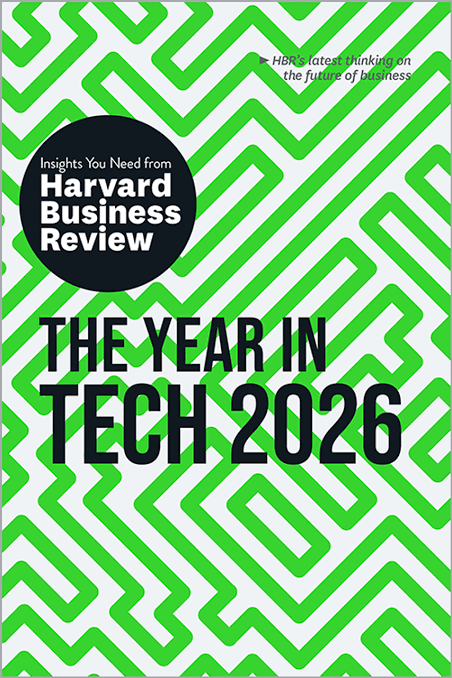
The Year in Tech, 2026 by Harvard Business Review
Will this have a lot of hot air? Yes. But I need to know what the business world thinks is coming, if only to understand the gap between their hype and reality. HBR’s annual tech preview is less about accurate predictions (remember when the metaverse was going to dominate everything?) and more about tracking where money and attention are flowing. What problems do executives think need solving versus what actually matters? That delta is always revealing. Oppo research?
Ten books, ten different directions. Translated fiction that resists neat endings, writing guides I’m hoping will finally click, memoir that unravels family silence, tech forecasting that’s probably half wrong. Books about how things actually work versus how we say they work. Its aspirational, January will be be busy, but I’ve made peace with the aspirational TBR pile. Each new book is a door you might walk through later, and that possibility matters more than the completion rate. Right? What’s sitting on your December shelf waiting for you?
Tags
Respond
The Road to Tender Hearts
Some people will always ignore the sign, no matter how clear and direct it is.
New Books I’m Looking Foward To This Year (First Half of 2026)
Books that arrive already humming with questions: about how we live, what we inherit, what we automate, what we grieve, and what we still hope books can do for us when the news is unbearable and the group chat is tired.
Best Books I Read in 2025
A curated list of fiction and nonfiction exploring burnout, work, grief, attention, and belonging. Personal notes on books that helped me think more clearly about modern life.