Best Books I Read in 2025
January 6, 2026 · 7 minutes read
A curated list of fiction and nonfiction exploring burnout, work, grief, attention, and belonging. Personal notes on books that helped me think more clearly about modern life.
Best Books I Read in 2025
Below is a loose collection of books that stuck with me in 2025 and spoke to me in some way… in 2025 I was into the zany, the madcap, the witty, and the fun as a counterbalance to larger events. Some are novels, some are essays or nonfiction. Many of them deal with limits of time, energy, attention, certainty, and what happens when you stop pretending those limits are temporary.
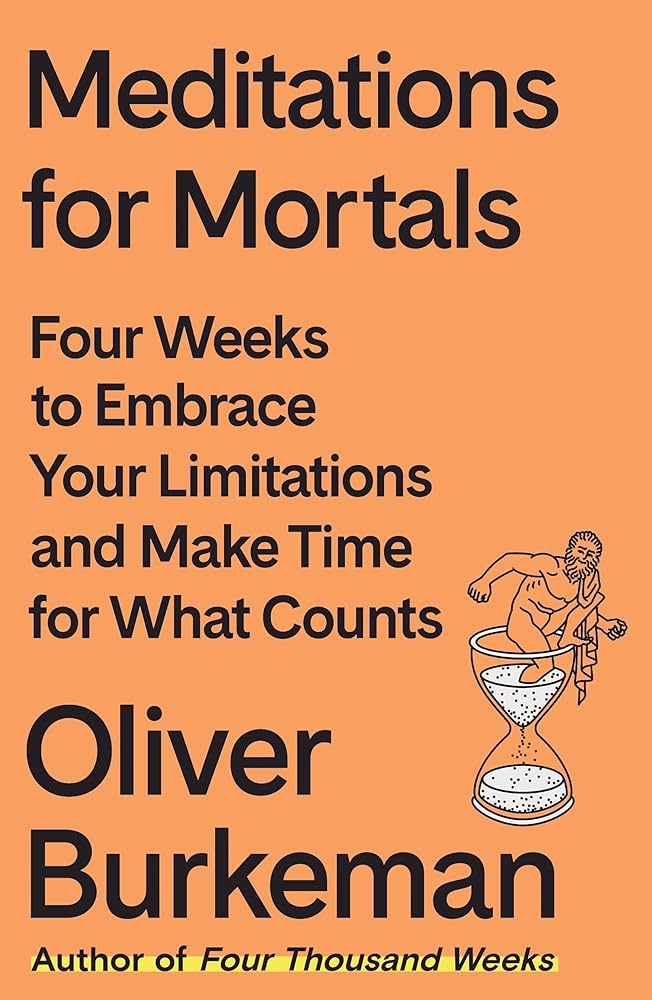
Meditations for Mortals by Oliver Burkeman
I loved this book because Oliver Burkeman insists that a saner, more meaningful life starts with the simple but uncomfortable truth that you will never do everything you want to do. That isn’t a personal failure, it’s a basic fact of being human. Once you accept that, the real work begins: choosing two or three things to care about right now, and deliberately neglecting the rest without guilt. Imperfectionism is also to be honed: Not waiting for the right mood, the clean slate, or the better version of yourself to show up. This book is a lot of straight talk about being ok with life as it is. Read my annotations from this book.
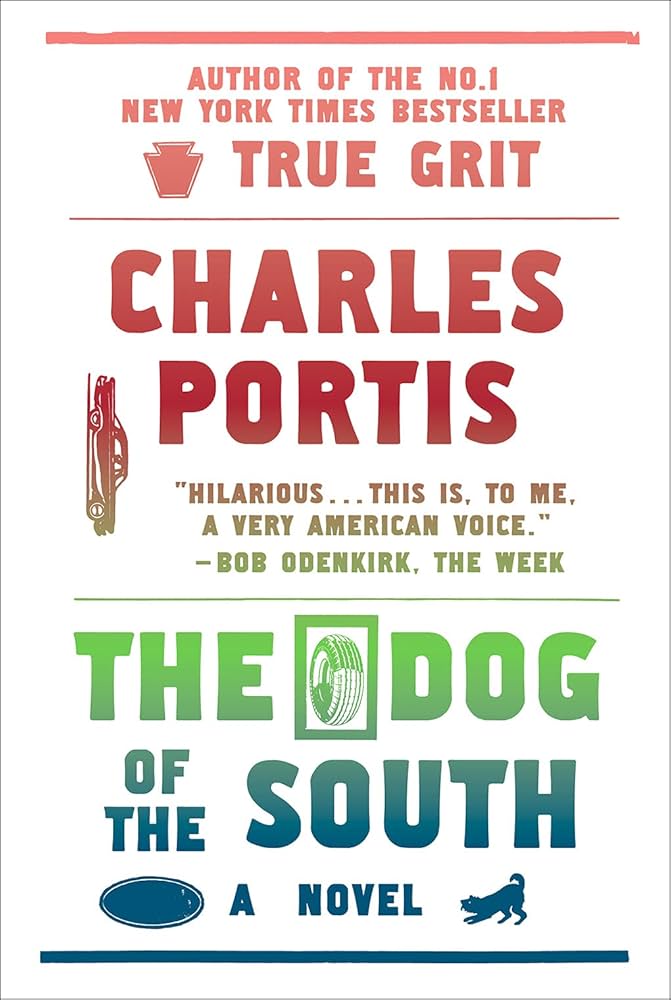
The Dog of the South Charles Portis
Charles Portis’s The Dog of the South is a rambling and hilarious road-trip novel that follows the pedantic Ray Midge on a quest from Arkansas to Belize. His mission: to retrieve his stolen Ford Torino, his credit card, and maybe his runaway wife, from the man she ran off with. What makes this book so beloved is its funny and utterly unique narrative voice. The deadpan delivery and the absurd characters he encounters make it pretty fun; the weird tangents and bizarre conversations are actually the whole point. It’s a quirky classic that’s often cited as one of the most genuinely humorous books in American literature. Read more about this book.
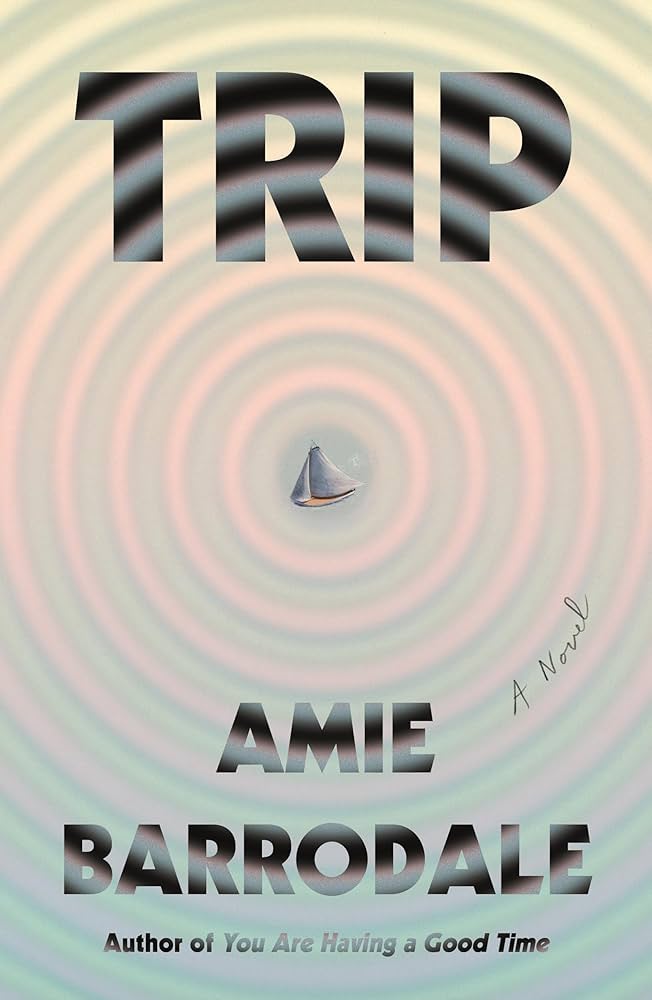
Trip by Amie Barrodale
Amie Barrodale’s debut novel, Trip, is a radical and surreal exploration of life, death, and the afterlife. The story begins when Sandra, a producer attending a conference on death, suddenly dies and finds herself in the bardo, the Tibetan Buddhist transitional state. From this strange limbo, she must watch over her autistic son, Trip, who has run away and is on a dangerous journey of his own. What readers found so cool about this book is its “dazzlingly weird” and imaginative premise, which Barrodale executes with sharp intelligence and dark humor. I enjoyed the funny and scathing satire of academia and the psychiatric establishment contrasted against a mother’s undying (ha) love and the ultimate challenge of letting go.
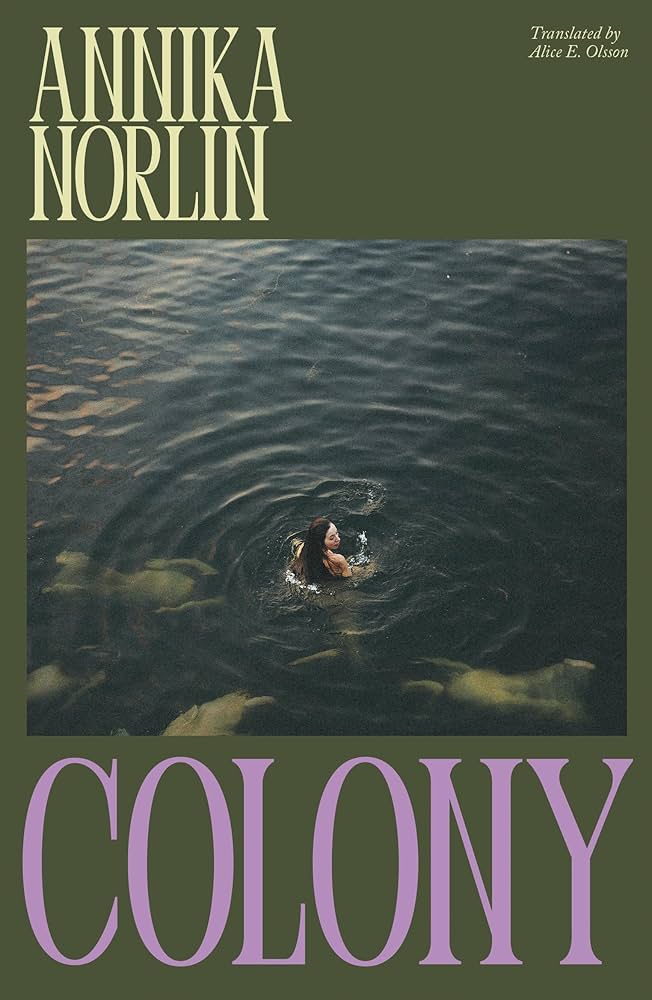
Colony by Annika Norlin
Annika Norlin’s Colony is an absorbing and introspective novel about a group of seven damaged individuals who have abandoned mainstream society to form a small, off-the-grid community in the Swedish wilderness. The story is told through the eyes of Emelie, a journalist suffering from burnout who stumbles upon them. The novel’s unconventional structure worked because it gave you a real look at who each colonist actually was, in that orange is the new black narrative way, but, you know, Swedish. It’s a dark comedy that explores the complexities of human connection and the allure of escaping modern life.
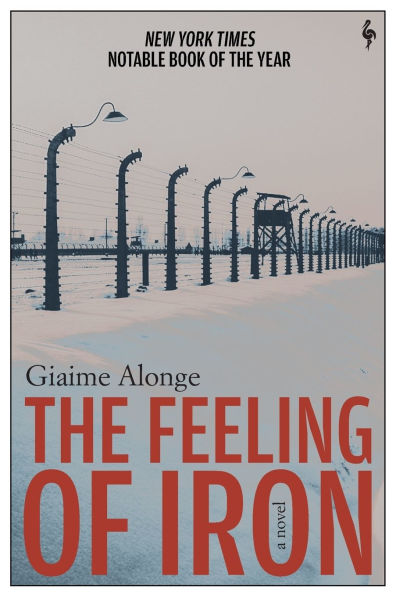
The Feeling of Iron by Giaime Alonge
Giaime Alonge’s The Feeling of Iron is a sweeping historical novel that spans decades, tracing the intertwined fates of two Jewish Holocaust survivors, Shlomo and Anton. After enduring horrific experiments by an SS officer during World War II, they embark on a quest for vengeance, eventually tracking their tormentor to Honduras, where he is now working for the CIA. I was blown away by how the novel connects the Holocaust to Cold War politics. It takes this huge sweeping view of history but keeps the tone flat and matter-of-fact, which somehow makes the horror hit harder. The writing is stripped down. Made me think about how trauma echoes through time.
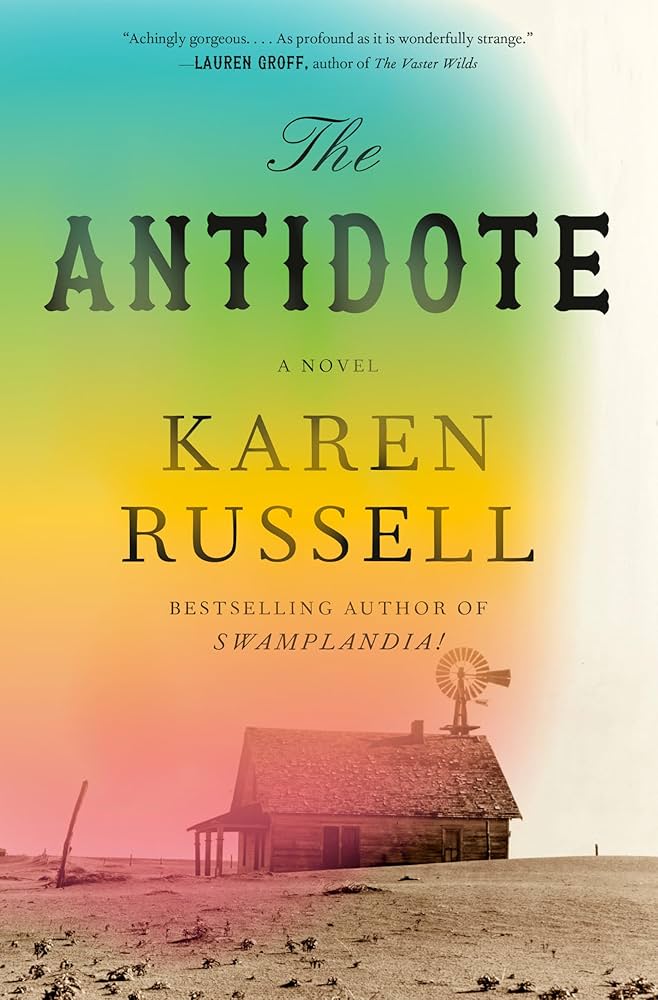
The Antidote Karen Russel
Karen Russell’s The Antidote is a work of speculative historical fiction set in the 1930s Dust Bowl, in the fictional town of Uz, Nebraska. When a dust storm burys the town, the local keeper of secrets, a childless woman paid to literally bear the worst of her neighbors, begins losing that which she was supposed to keep. A WPA photographer arrives with a camera that captures the unseen truth. The land they’ve degraded didn’t even belong to them. A catastrophe brought on by settlers’ own brutality. Wildly imaginative. More on The Antidote.
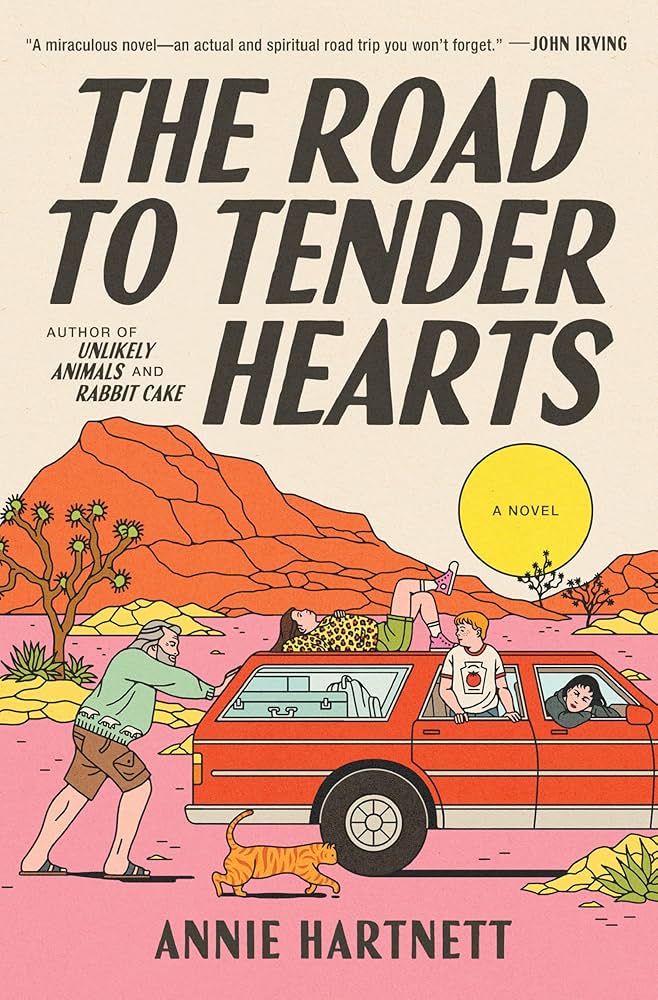
The Road to Tender Hearts by Annie Hartnett
Annie Hartnett’s The Road to Tender Hearts is a darkly comic and moving road-trip novel. It follows PJ Halliday, a lottery winner grappling with grief, as he sets out on a cross-country journey to reconnect with a high school crush. His unexpected companions include his younger daughter, two recently orphaned grand-nieces/nephews, and a cat named Pancakes, who may or may not be an agent of death. I liked it for its funny and warm-hearted exploration of caregiving, second chances, and finding joy amidst sorrow. I particularly enjoyed the quirky cast of characters, the murderous mischevious cat, and the emotional narrative that was funny and profound. Some of my annotations from this book are here.
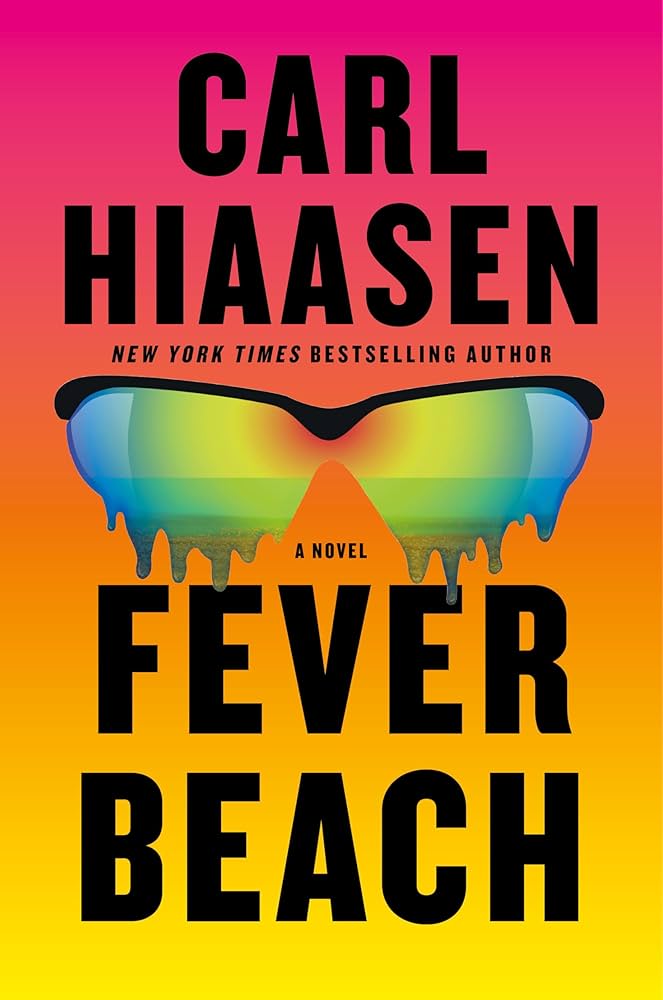
Fever Beach by Carl Hiaasen
Carl Hiaasen didn’t invent Florida man, but he’s sure been the best satirical fictionalizer of him. Fever Beach is his latest Florida caper written with particular blend of funny and outrageous satire. This particular one is populated by a not so clever white supremacist, a corrupt congressman, and two environmentalist antiheroes, Viva and Twilly, who become entangled in a web of dark money and political extremism funded by that dark money. For Hiassen, like Thomas Pynchon, though, the times have caught up with his sensibilities and some of what used to be outrageous in his books is just.… life in quarter century America? So as always quite funny but also a little uncomfortably close to home.
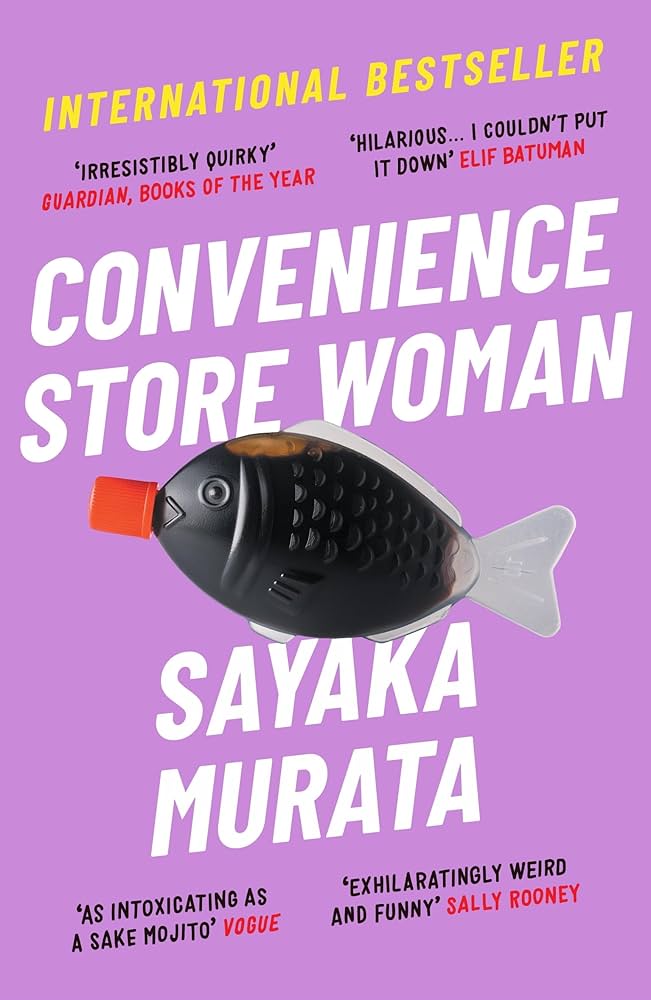
Convenience Store Woman by Sayaka Murata
Sayaka Murata’s Convenience Store Woman is Keiko Furukura, a 36-year-old woman who has found her true calling and comfort in the predictable, rule-bound world of a convenience store. Having worked there for 18 years, Keiko struggles to understand and conform to societal expectations outside of her work, particularly regarding marriage and career. Murata’s writing is often praised for its subtle humor and its ability to make the mundane fascinating, and i find it dark and wild, illustrative of the conventional Japanese ideas of happiness and success. It’s a hard core exploration of identity, conformity, and the difficult path for women in Japan.
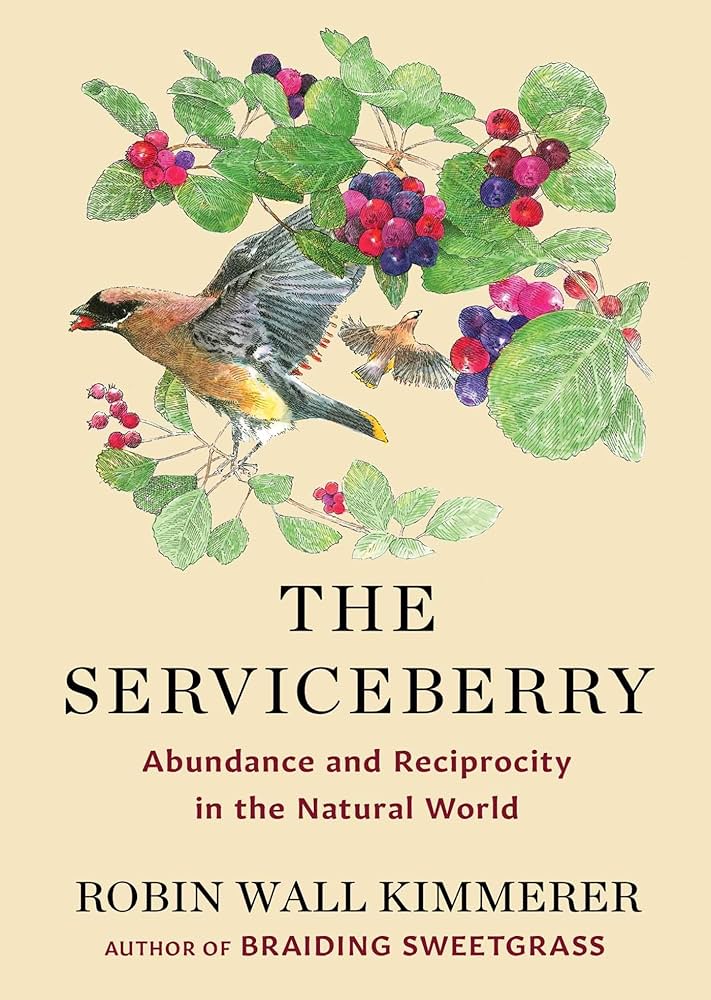
Serviceberry: Abundance and Reciprocity in the Natural World by Robin Wall Kimmerer
The book refuses the idea that joy and justice are separate pursuits, or that caring for the earth requires self-denial. Kimmerer treats the world as a gift, and that framing comes with teeth: if you receive, you’re responsible. Her concept of “radical enoughness” cuts directly against an economy that survives by keeping us anxious and unsatisfied, offering the serviceberry as a counterexample—producing more than it needs, feeding others, and enduring through sharing rather than hoarding. The argument is blunt and hard to unsee: scarcity is taught, accumulation is fragile, and a livable future depends on taking less, sharing more, and treating gratitude as something you do, not something you feel. Read my full review of Serviceberry.
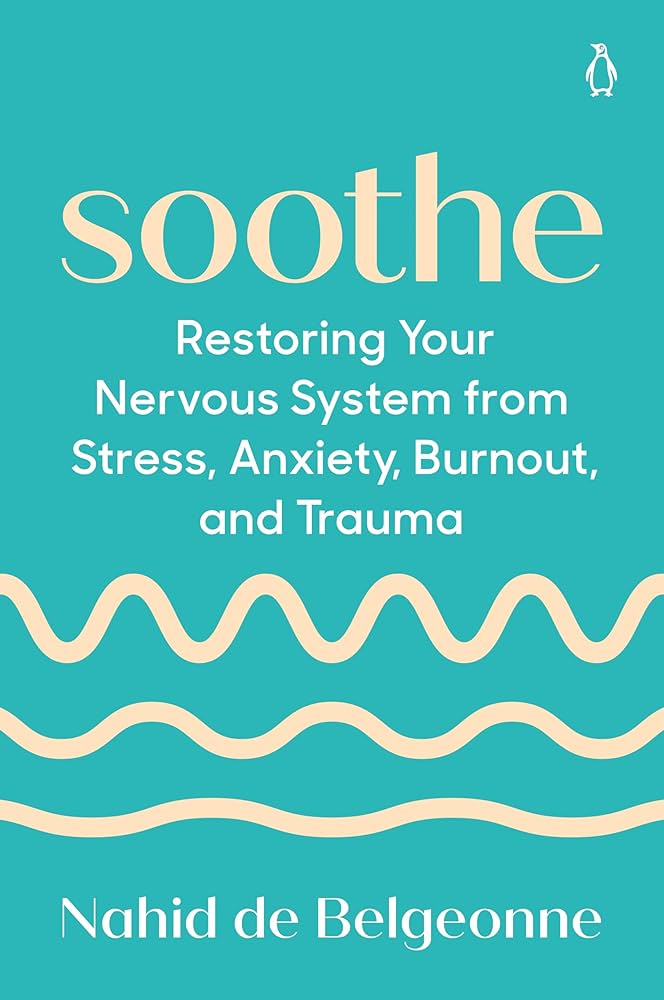
Soothe Restoring Your Nervous System from Stress, Anxiety, Burnout, and Trauma by Nahid de Belgeonne
I had a serious case of burnout last year that really took some time to sort through. The thing about burnout is you can’t think your way out of it. Belgeonne frames it as a condition stemming from an overtaxed nervous system rather than mere exhaustion, and emphasizes that burnout comes from an accumulation of unaddressed daily stress, creating a detrimental cycle where physical and mental depletion hinders the capacity for self-care. The solution to her is what she calls re-budgeting the body’s resources - through real rest, somatic movement and grounding. Thinking about my experience this way really went a long way towards me recovering.
And so, if there’s a throughline here, it’s not hope as optimism, but hope as practice. Maybe? 2025 was some kind of fire. At least I had books to read.
This is part of the Top Ten Tuesday book blog link up hosted by Jana at That Artsy Reader Girl.
Tags
Respond
Stone Yard Devotional by Charlotte Wood
The fact was that Annabel was so disgusted by greed, by the ruination of the natural world because of it, that, like ascetics before her, the only action she could take was to remove herself, bit by bit, from the obscenity of this excess. 'Her suffering was an existential and a moral problem,' he said. 'Not a medical one.'
Mammoth by Eva Baltasar
Reducing life to an Excel spreadsheet felt like a crime. I hated my tool, the specialist axe I used to cut up emotions and memories, the experience and suffering of those people who, at the end of the day, had somehow persuaded life to put up with them all those years.
Margo's Got Money Problems by Rufi Thorpe
And we shook on it there under the glowing red hat of the Arby's, with Ric Flair and the Virgin Mary smiling down on us, willing the story to go on, to never end, to start over again, one adventure leading to the next, and we would never die, and we'd be young forever, and we would scream to the crowd, 'Look at me! Look at the beautiful, insane things I can do with my body! Look at me! Love me!' Because that's all art is, in the end.