New-to-me Authors Read in 2025
January 30, 2026 · 7 minutes read
A Top Ten Tuesday list of new-to-me authors I read in 2025, plus the real question underneath: was I pulled in by the author, the premise, or the hype, and did the book deliver?
Was it the author, the premise, or the hype?
There are books that get read because the idea won’t let you go, and there are books that get read because the author already has you. The publishing industry has long bet heavily on the second category — known names, reliable audiences, safe bets. Concept-driven books, the ones where the premise itself is the reason to show up, get less of the machinery behind them.
That system — publish the name, trust the audience to follow — does work for the big boys. But it works by reproducing what already succeeded, which means it’s not really designed to find the books that are genuinely new or urgent or different. The ones where the idea is doing all the heavy lifting. Those books exist, and people find them, but usually not because a publisher put the full weight of its operation behind them. Usually because something about the idea cut through on its own — which has made me more aware of the patterns shaping how I discover new authors. Which you know makes me wonder if I’m reading the best books, or just the most well-positioned ones. Usually because something about the idea cut through on its own — which has made
So thinking through the ttt topic this week writing about new-to-me authors, I wanted to interrogate what it was that made me give time to the book. I wanted to track that, and more than that, I wanted to see whether the reason I started actually held up after the fact.
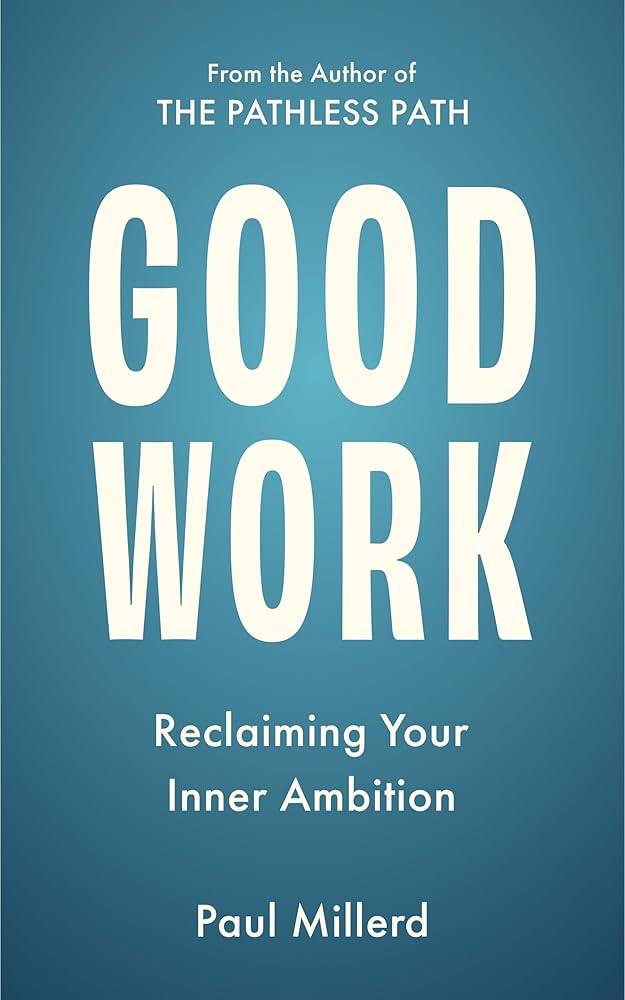
Good Work by Paul Millerd
I had heard of Paul Millerd through entrepreneurs talking about The Pathless Path, and I read this because of that buzz, and because I was burned out and rethinking my own work. I liked his idea that to be motivated about work, we need consider our own agency and what we think is important effort to make in the world. I didn’t agree with all of it, but I appreciated how directly he challenges inherited ideas about ambition and success without turning it into hustle culture in disguise.
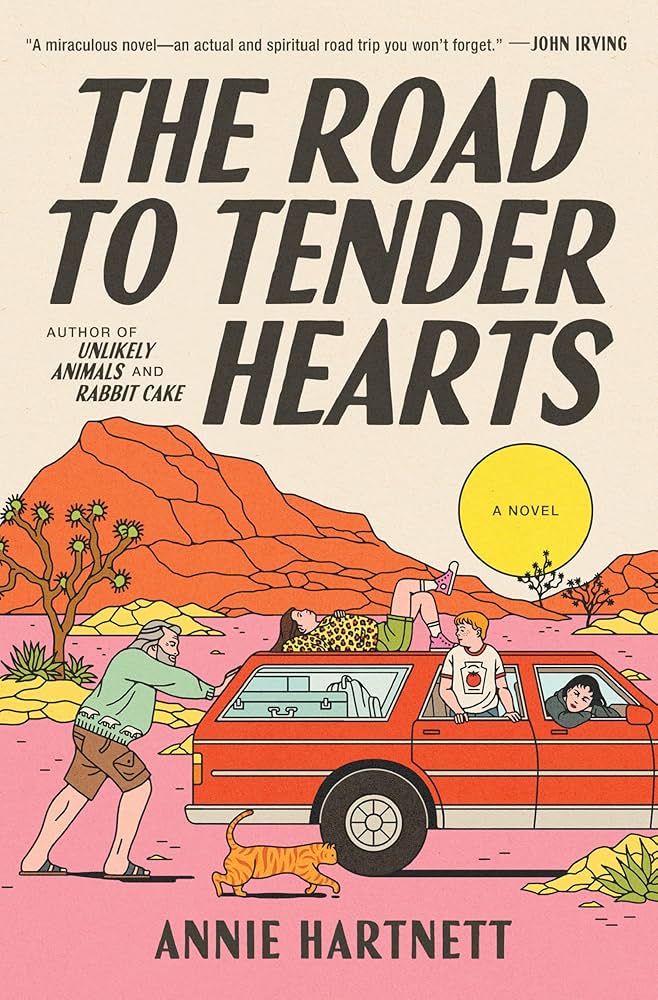
The Road to Tender Hearts by Annie Hartnett
I hadn’t heard of Annie Hartnett and read this purely based on the premise. I was very pleasantly surprised. I really liked how each of the characters was on a healing path from trauma, not just a road trip (how multiverse!), and how they helped each other heal. By the end, I wasn’t just impressed with the book, I really respected the author for building characters that helped each other in meaningful ways, modeling behavior I’d love to see in the real world.
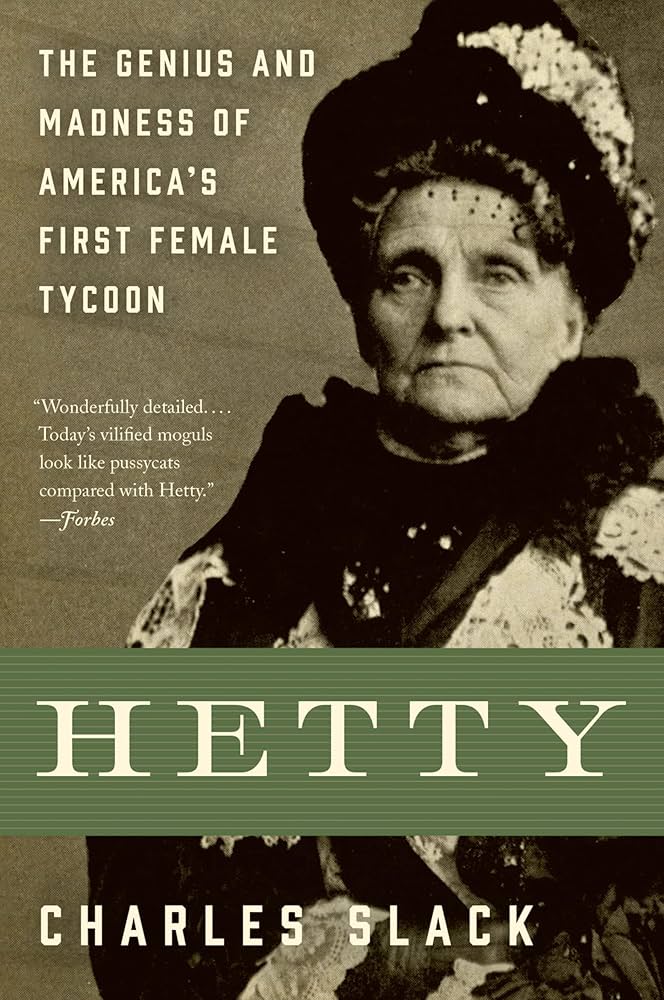
Hetty: The Genius and Madness of America’s First Female Tycoon by Charles Slack
I read this entirely for the premise and knew nothing about Charles Slack beforehand. What surprised me was how solid the history was. This could have easily drifted into historical fact repitition and gossip cliché, but it didn’t. Hetty is allowed to be difficult, ambitious, and contradictory without being softened for the reader. I respected the work.
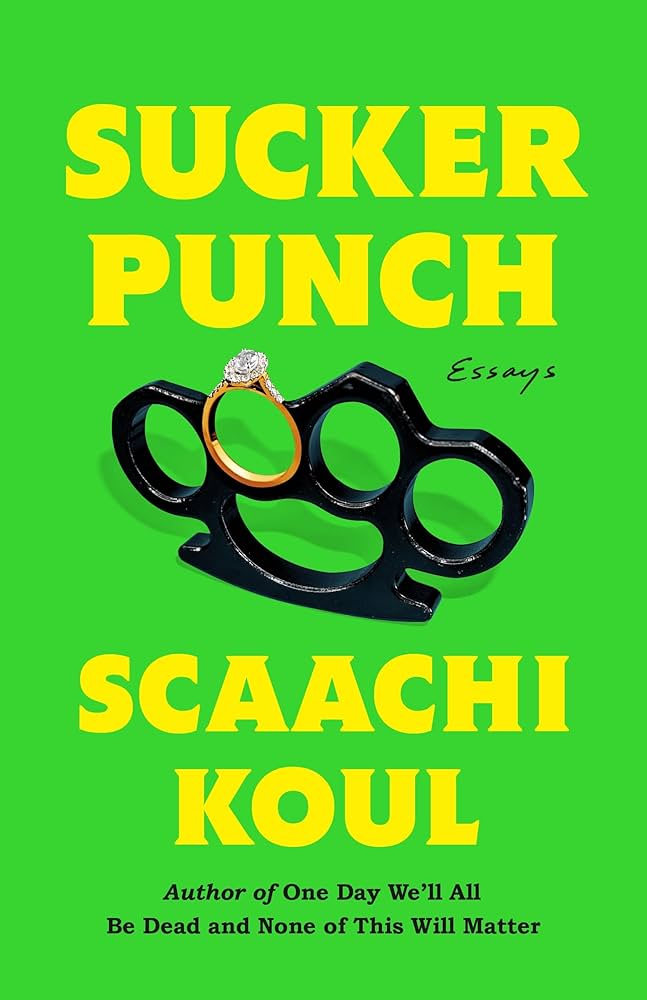
Sucker Punch by Scaachi Koul
I did not know of the author when i opened this book, and I’m not sure why I picked it up. I went back and looked around, and it may have been that I liked the idea she organized the essays by samsara, karma, dharma and moksha. Or that people talked about how she reckoned with the modern worlds’ tussle with privacy vs publicity in it. I generally have a hard time reading a book in the personal confessional essay genre without being super into the author beforehand. Some people love the confessional essay format; I can dig it when it connects to bigger themes or things happening in the culture or world. Jia Tolentino, Joan Didion, yes and yes and yes. But this didn’t do that for me and i quit it.
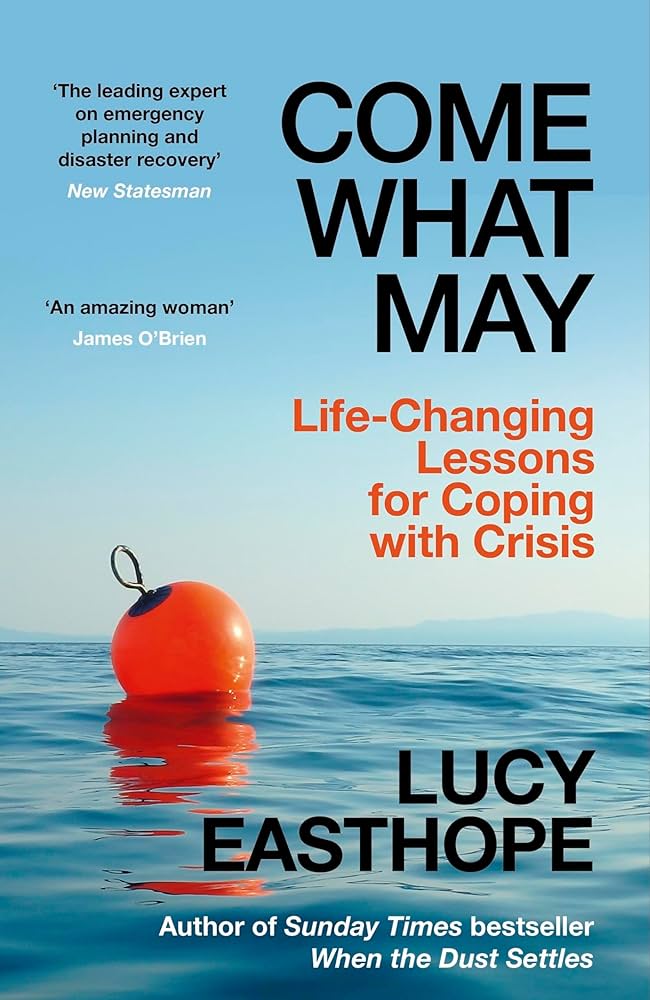
Come What May: Life-Changing Lessons for Coping with Crisis by Lucy Easthope
I picked this up because of the author’s background as one of the UK’s biggest disaster specialists dealing in earthquakes, fires and floods as well as man made disasters like war. How do people actually cope? What worked for me was how the expertise translated into something practical and grounded, without turning crisis into spectacle. She is solidly reasonable and empathetic and I will read more of her work.
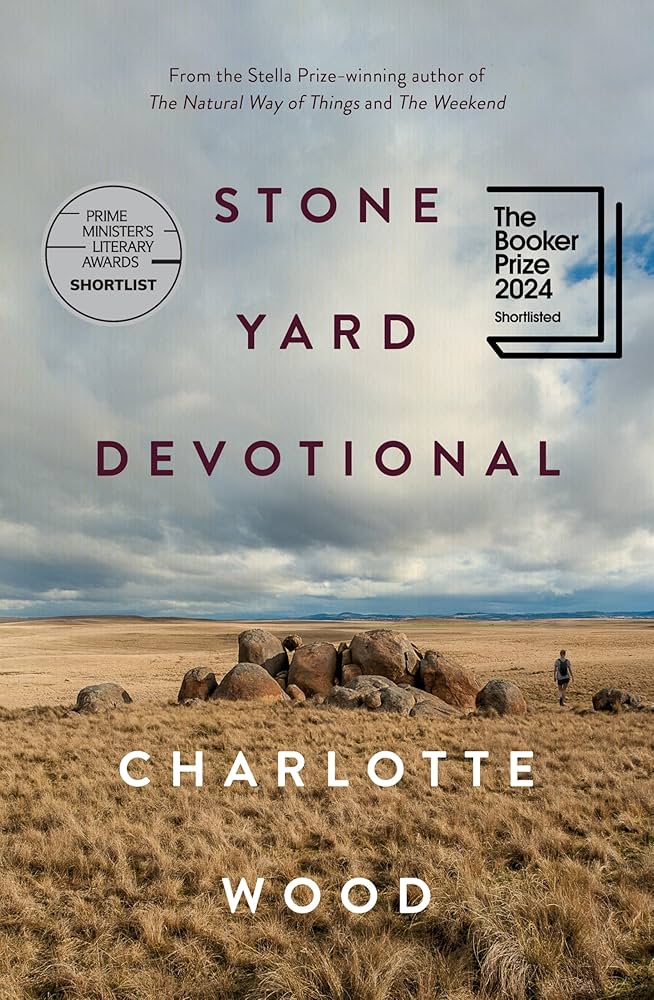
Stone Yard Devotional by Charlotte Wood
I had not heard of Charlotte Wood at all and read this book entirely for the concept, atheist climate scientist leaves husband and moves to convent because she’s had it with modern life and is unconvinced that the work she does is not in vain. The main character’s atheism is the not-hidden spoiler, but you wont know that until the end. If we are on the hero’s journey here in this book, where the hero must leave the ordinary world to go on a journey, have a transformative experience and emerge wiser, if the hero does not believe in the possibility of profound and transformative experience, then it becomes difficult for them to have one. I’m glad I read it, and clearly it affected me if I have this much to say about it, but I’m not sure I’d seek more of her out. This felt like a case where the idea did more work than the writing.
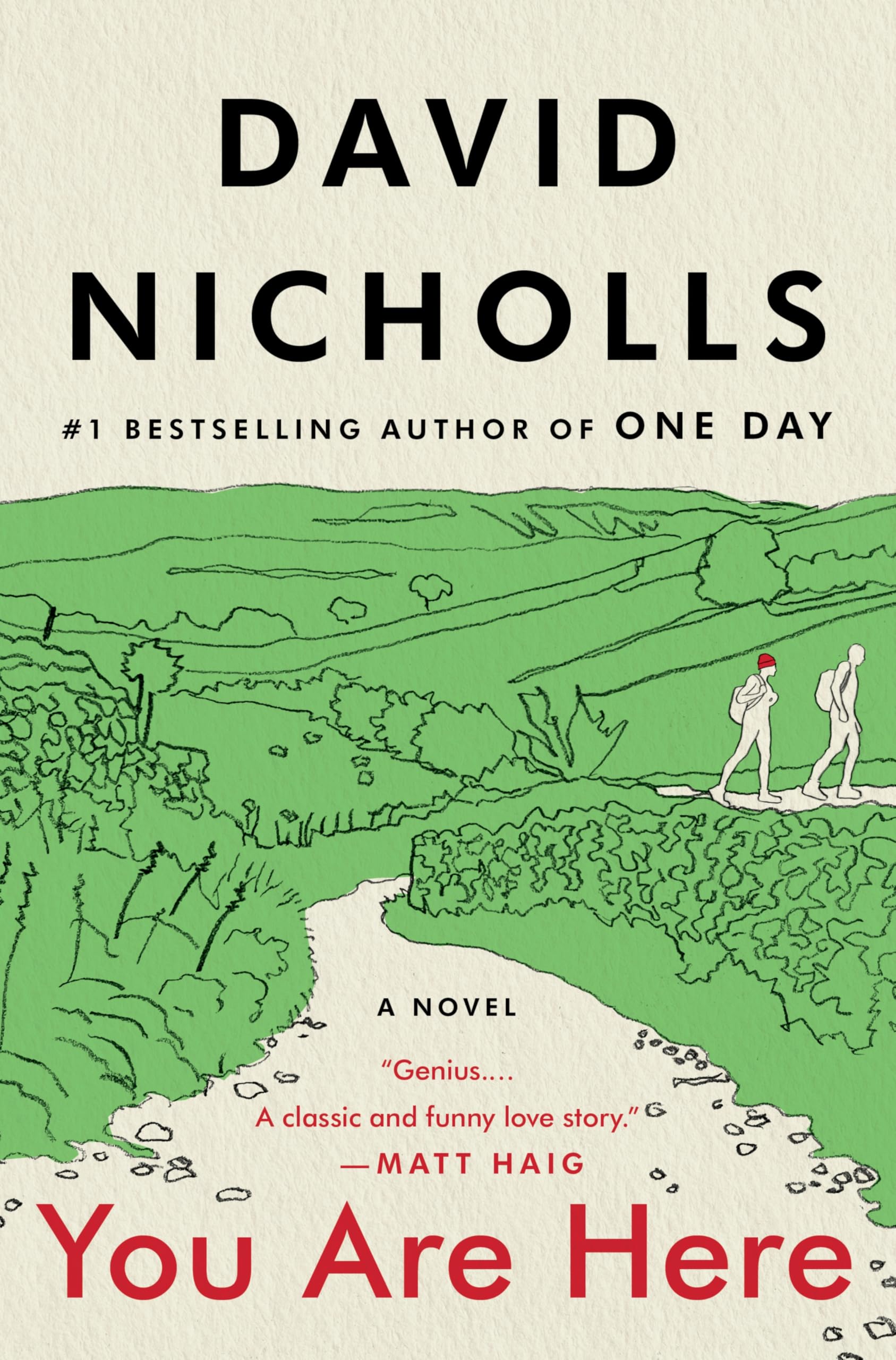
You Are Here by David Nicholls
I hadn’t heard of David Nicholls and picked this up based on reviews and the premise. I liked the concept and landscape and background of the story, two grumpy middle aged people end up on a 10 day hike together through rainy northern England, sort of like a Applachian Trail story but you know, with British wit and daily pub stops. It was readable and thoughtful, but the narrative pieces didn’t fit in ways I would have liked. I guess I wanted them to have more.… transformation? (Is there theme developing?)
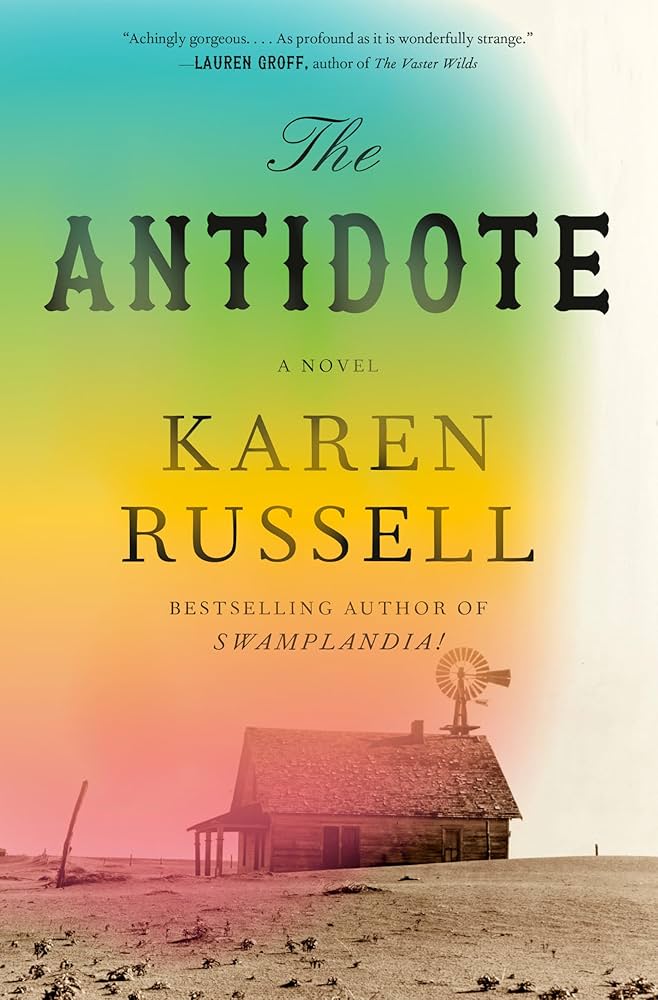
The Antidote by Karen Russell
I had heard about Karen Russell for years in connection with Swamplandia, but I hadn’t read her before this. I picked this up because the premise grabbed me, town buried in a dust bowl dust storm reckons with what their ecological practices have wrought, and it did not disappoint. The book commits to its metaphorical weirdness without apology and trusts the reader to keep up with, for example, WPA photographers whose cameras capture people who used to live on the land. That confidence made me want to read more of her work, which doesn’t always happen with long-hyped authors.
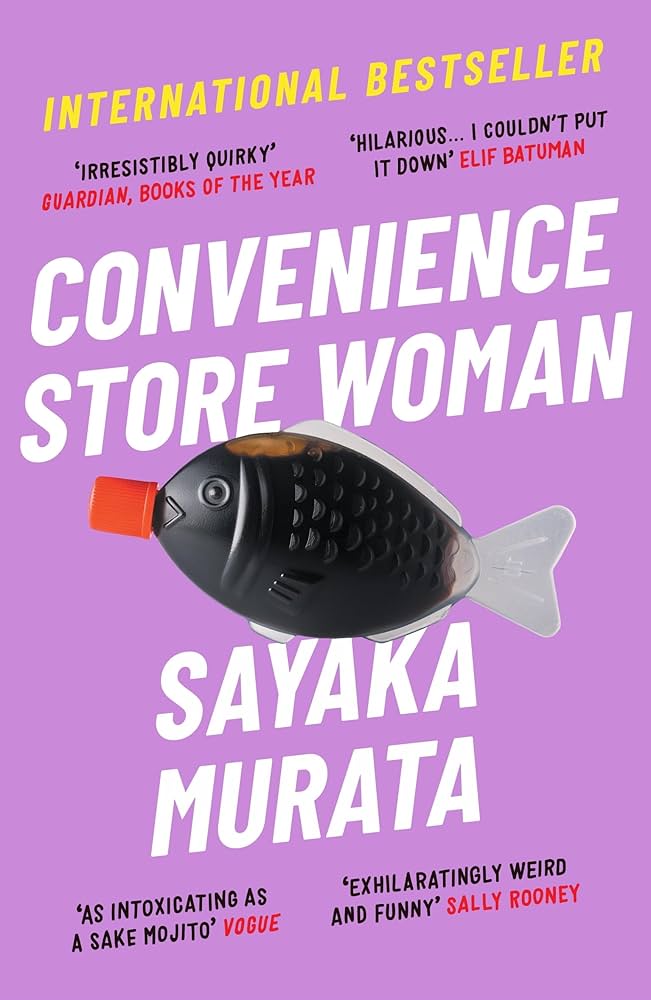
Convenience Store Woman by Sayaka Murata
I read this based on premise and author. Writer needs job to live, writer takes job in a convenience store and then spends 18 years writing a book set in a convenience store. It’s observations about work, social performance, and normalcy feel precise perhaps because of how truly lived the experience was for the author, I sort of feel like now no one else can ever write about a Japanese convenience store and capture it accurately.
So, I guess premise gets my attention, but execution and trust decide whether I stay. In 2025, I was faster to quit books that didn’t keep and hold me, but open to authors I’d never heard of if the idea was strong enough. Going into 2026, I’m paying closer attention to that first decision point. Am I reading for the author, or am I reading for the question the book is trying to answer? I think it’s an interesting exercise to consider why you choose what you choose to spend time on, in the limited time that we all have.
Tags
Respond
Meditations for Mortals by Oliver Burkehead
My conversations helped me recognise a deeper issue, too, which is the way our ceaseless efforts to get into the driver’s seat of life seem to sap it of the very sense of aliveness that makes it worth living in the first place.
Rebel Girl by Kathleen Hanna
Maybe the struggle for language was the moment we were trapped in. Why were we always supposed to answer ignorant questions with thoughtful, articulate answers? Why were we always explaining ourselves? Maybe that was what third-wave girls were about: speaking back to power with sounds that didn't always make sense.
Native Nations: A Millennium in North America by Kathleen DuVal
For too long, most Americans didn't take oral history seriously, creating a mystery where there never was one. The question of who built these places and where they went are no mystery, O'odham elders and historians repeat: 'We've always lived here.'