Armchair Euro Fakeation: A European Reading List for Summer 2026
June 26, 2026 · 11 minutes read
Twenty books of summer spanning Hungary, Ireland, the Calabrian coast, a Swiss mental institution, wartime Berlin, and a crumbling Tuscan villa. The Europe that didn't make the brochure.


At the beginning of June I started seeing the photos and emails from people and acquaintances about their European vacations. There were a lot of North Americans and Aussies I knew cavorting about.
For any number of personal and professional reasons, not to mention jet fuel costs and heat waves and overtourism in general, I am home this summer.
But that can’t stop my Armchair Euro FakeationTM, in which I read a bunch of books set on the continent I will not set foot on, from real life spy capers to memoirs, intellectual histories and multigenerational family sagas (fictional and non), light comedies and black comedies and dystopic fiction.
This is not the Europe where you eat the pasta and take the photo and fly home having had a wonderful time but can’t say much else about the place.
This is the one behind the postcard with the famine-emptied coastline, the medieval miracle con artist, an arms-industry fortune, nazi hunting, art forgery, pipeline sabotage, and the immigrant experience. But also the one with delicious food, lots of languages, worthy of alpine road trips the discussion of ideas.
It won’t help me decide where to eat in Florence, but lulz, don’t need that.
What started out as a response to too many glib emails has turned into my 20 books of summer #20BOS26 list and my #ttt summer 2026 to-read list.
Country counts: 🇦🇱 Albania 1 • 🇦🇹 Austria 1 • 🇫🇷 France 2 • 🇩🇪 Germany 2 • 🇭🇺 Hungary 2 • 🇮🇪 Ireland 1 • 🇮🇹 Italy 3 • 🇳🇱 Netherlands 1 • 🇷🇺 Russia 2 • 🇪🇸 Spain 2 • 🇨🇭 Switzerland 1 • 🇬🇧 UK 3
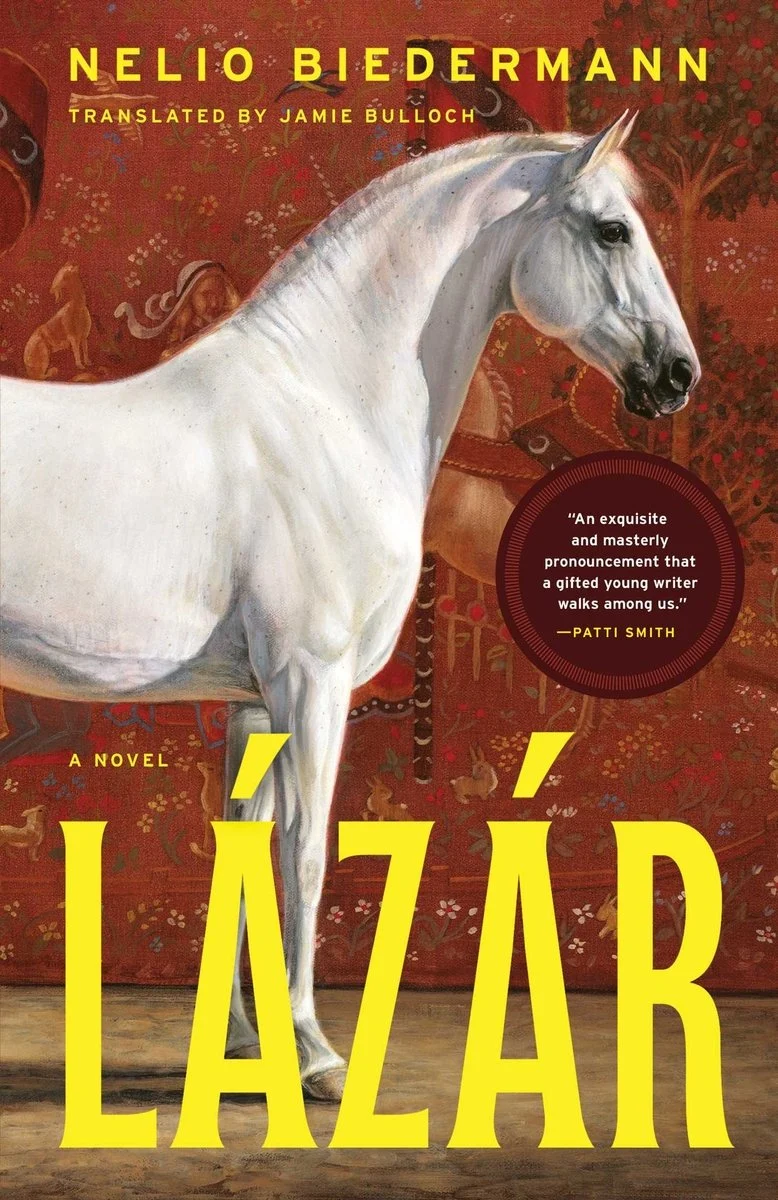
1. 🇭🇺 Lázár by Nelio Biedermann (Hungary) read
Inspired by the author’s own family story, this gothic saga runs through three generations of an aristocratic Hungarian family from the collapse of the Habsburg empire through World War II, communism and the Hungarian uprising of 1956, with a streak of magical realism running through it. Apparently it is quite popular this year in German-speaking Europe. One of the more ridiculous professional book reviews I’ve read in a long time led me to this (I mean really, to compare it to books that readers might have read from 1901, 1932, 1933?). I think the reviewer was wrong, greatly exaggerating small parts while ignoring the bigger picture; I enjoyed the sweep of it quite a lot, there’s a reason it’s popular.
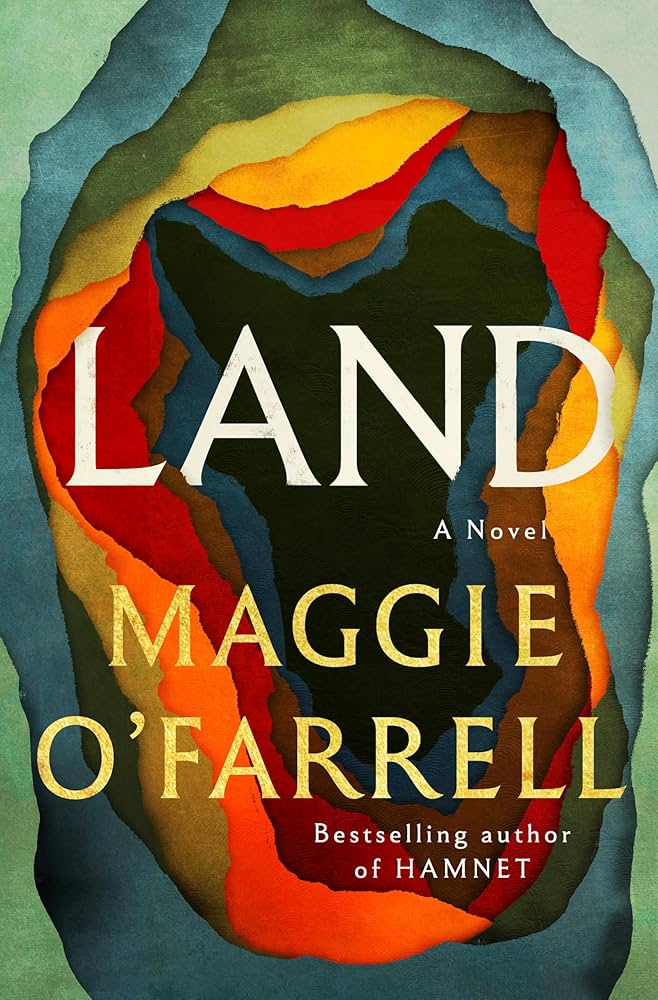
2. 🇮🇪 Land by Maggie O’Farrell (Ireland) in progress
Tomás is an Irish mapmaker in the late 1800s, pressed into service by the british to mapp the coastline of the famine-ravaged west of Ireland. Because of the famine, whole communities are gone, abandoned or burned down, so it is a big undertaking. Tomas has a profound experience at an ancient spring (leading to a failed exorcism conducted by the local priest), and he sets out to make a new, unofficial map of Ireland, written in the native Irish language, documenting what the colonial version erases. The novel then follows his family forward through generations. From the author of Hamnet, drawn from her own family history.
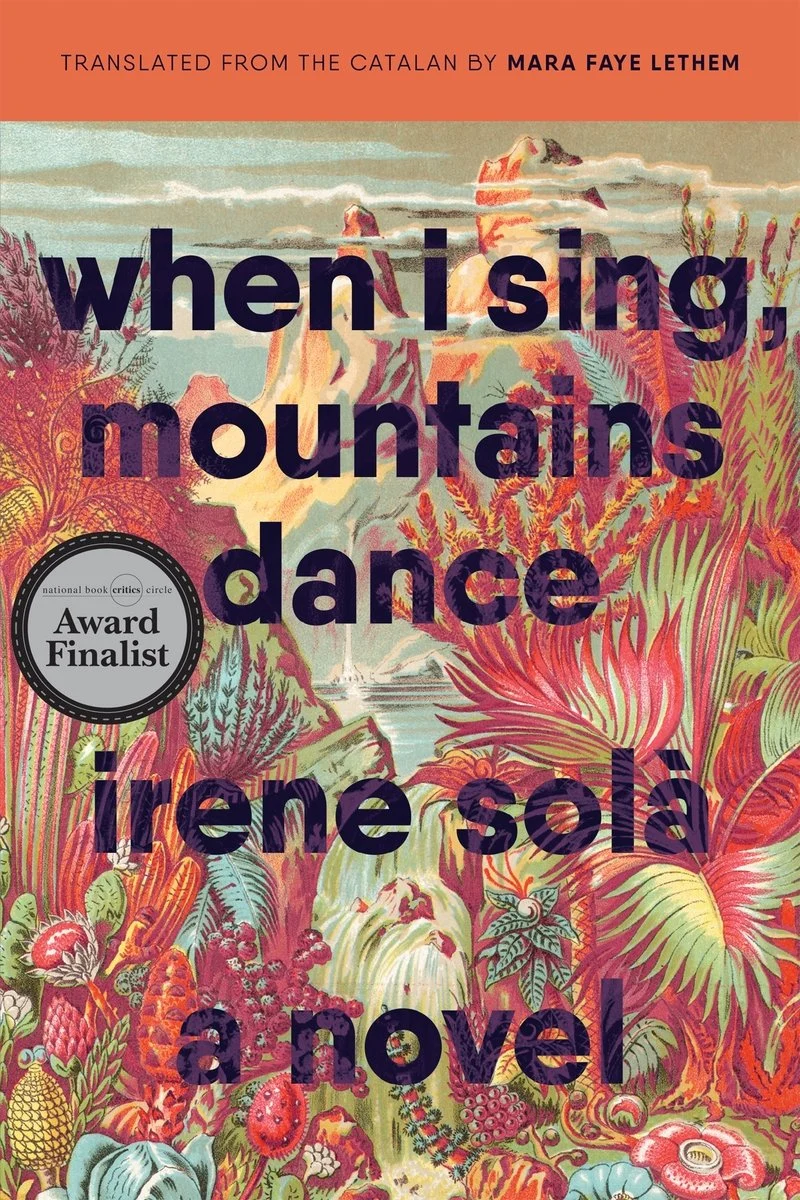
3. 🇪🇸 When I Sing, Mountains Dance by Irene Solà (Spain) in progress
The book opens with a man struck and killed by lightning in the Catalan Pyrenees. The story of his death and its aftermath told from multiple perspectives: his family, his neighbors, and the natural world itself — storms, deer, mushrooms, ghosts, with the history of the Spanish Civil War and the folklore of a small mountain village woven through. Translated from Catalan.
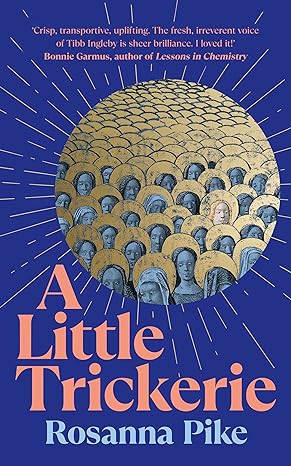
4. 🇬🇧 A Little Trickerie by Rosanna Pike (England) in progress
After her mother dies in a trick gone wrong, fourteen-year-old Tibb is left alone with a newborn sister to raise. She sets off across Tudor England to find a living and home, impersonated an angel in a Herefordshire church and amassing a cult following. Apparently it’s foul-mouthed, warm-hearted, funny fictionalized take on the Holy Maid of Leominster, based on the true story of a medieval con artist. Won the Bollinger Everyman Wodehouse Prize for Comic Fiction.
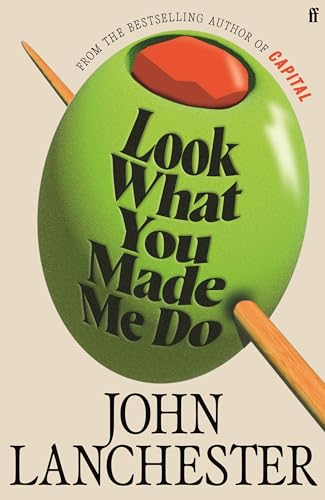
5. 🇬🇧 Look What You Made Me Do by John Lanchester (England) read
When millennial screenwriter Phoebe’s hit TV series Cheating becomes the year’s most talked-about show in England, grieving widow Kate is shocked to find the very specific and private language of her thirty-year marriage used liberally within it. Had her husband had an affair with a younger woman and called her all the same pet names? A revenge plot escalates way beyond proportion. The story is told in alternating perspectives by the two women. A black comedy about the sins of the father, resentment, and entitlement. See my annotations from this book.
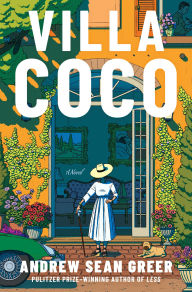
6. 🇮🇹 Villa Coco by Andrew Sean Greer (Italy) read
A young American takes a job in the Tuscan hills as an assistant to Lisabetta, aka Coco, a strong-willed ninety-two-year-old Baronessa with a crumbling villa and an extensive art collection that needs cataloguing. His actual duties turn out to include repairing medieval plumbing, devising ingenious methods to catch even more ingenious critters on the property, and becoming an unwitting accomplice in Coco’s great final plan. Andrew Sean Greer’s sense of outrage and humor are always fun, this did not disappoint. See my annotations from this book.
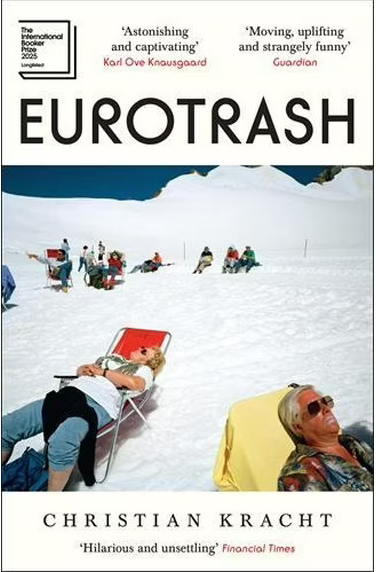
7. 🇨🇭 Eurotrash by Christian Kracht (Switzerland) currently reading
A middle-aged man collects his eighty-year-old mother from a mental institution and the two set off across Switzerland in a hired taxi, attempting to give away the fortune she amassed from investing in the arms industry. A fortune of such provenance proves surprisingly hard to get rid of. The book is semi-autofiction based on some aspects of the author’s life; and both he and his mother are haunted throughout by a grandfather who was an ardent supporter of Nazism. Translated from German.
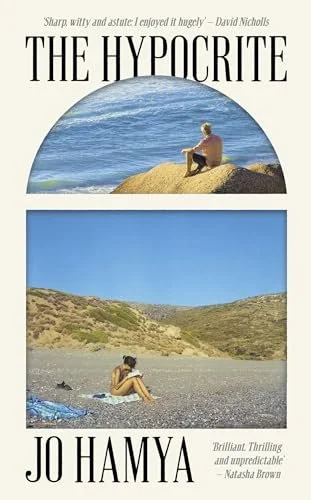
8. 🇮🇹 The Hypocrite by Jo Hamya (Italy) read
A famous novelist sits down to watch his daughter Sophia’s play and realizes, as the lights go down, that it is entirely about him and their month-long vacation to Sicily when she was seventeen. Prior to arrival he is completely unaware that the play is a skewering critique of the attitudes and sexual mores of men of his generation, and more specifically, his attitudes and behaviors.
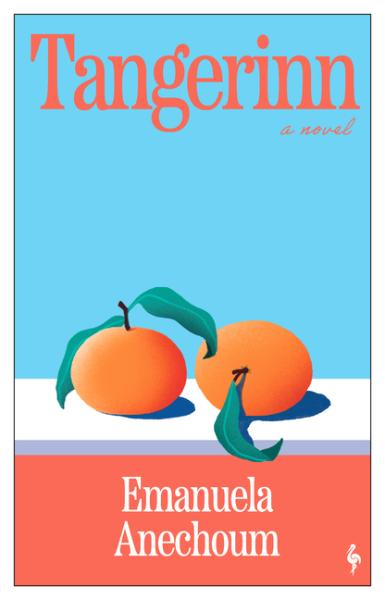
9. 🇮🇹 Tangerinn by Emanuela Anechoum (Italy) not yet opened
When her Moroccan-born father Omar dies, Mina returns to her childhood home on the Calabrian coast, where he ran a bar called the Tangerinn, a gathering place and haven for migrants and misfits. The narrative zags between past and present as Mina traces the similarities between herself and her elusive father, who came of age during the Western Sahara War and spent his life aching to leave home for Italy. Translated from Italian.
10. 🇫🇷 The Witch by Marie NDiaye (France) read
Lucie comes from a long line of witches, with powers passed down from mother to daughter, many of them hidden or repressed to appease disgusted or fearful men. Yet, the book is not about being a witch, it’s about all the ways modern life goes awry and how all we’re ill prepared to deal with any of it, extrasensory powers or not. Written in 1996 and only now translated into English, it was shortlisted for the 2026 International Booker Prize. Translated from French.
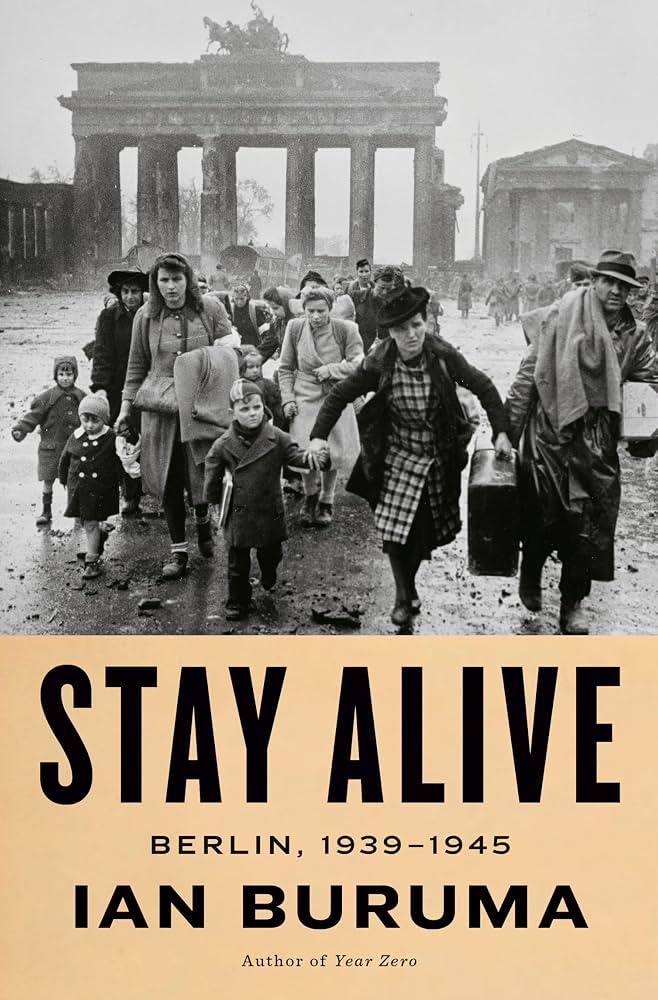
11. 🇩🇪 Stay Alive: Berlin, 1939–1945 by Ian Buruma (Germany) not yet opened
Drawing on diaries, memoirs, and personal interviews, Buruma weaves together a chronicle about daily life in wartime Berlin, inspired partly by the experience of his own Dutch father. He follows Berliners from the early days of the war through the final Allied bombings and Soviet arrival — a young Jewish jazz guitarist playing music the Nazis deemed degenerate, a teenage girl whose faith in Nazi ideals gradually crumbles, a dissident intelligence officer hanged for his resistance. One of the book’s main arguments is that living inside a corrupt system taints virtually everyone, bending moral compasses even among those who never considered themselves true believers, and that it is alarmingly easy to simply look away.
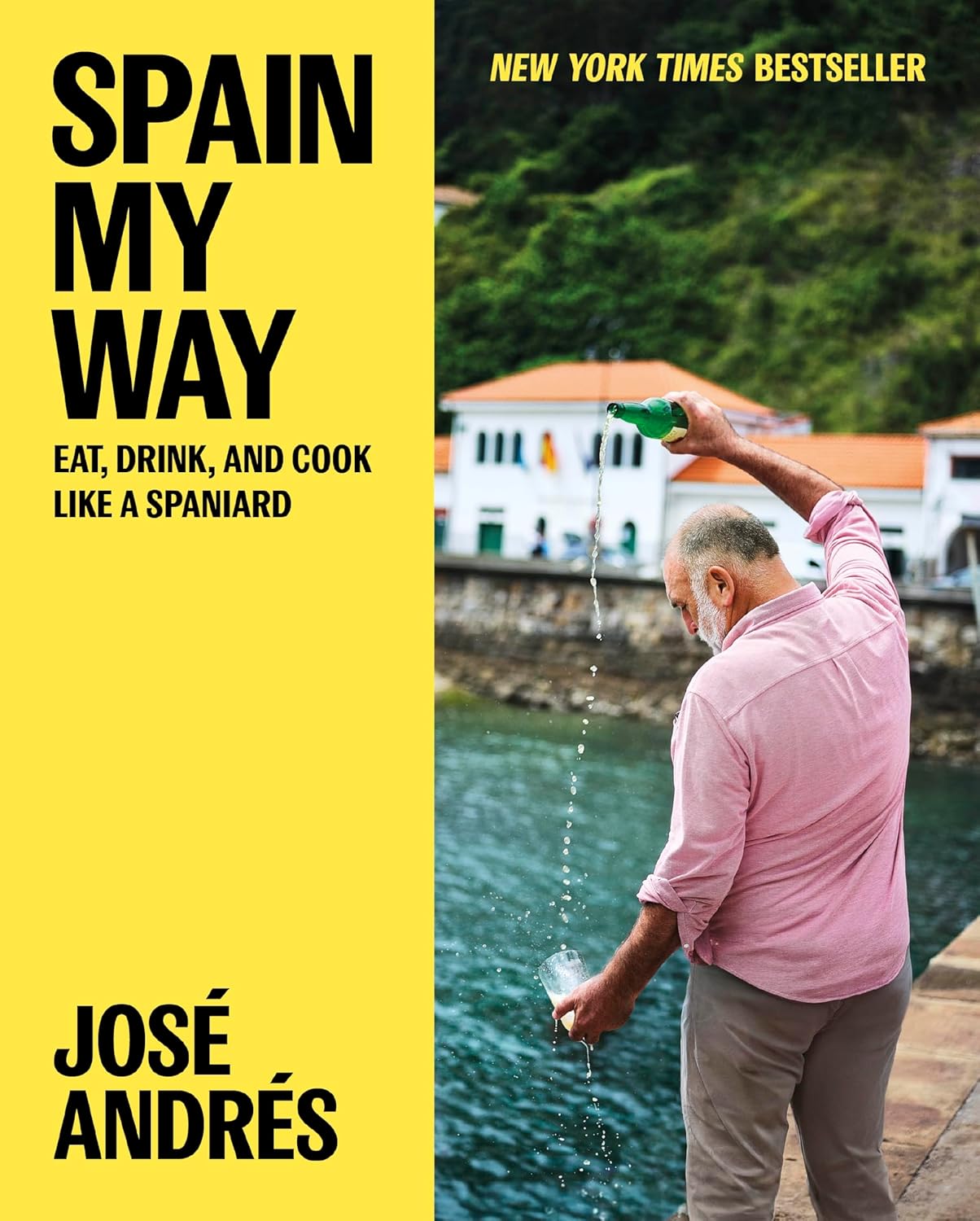
12. 🇪🇸 Spain, My Way by José Andrés not yet opened
I wrote about this one last week. I want to hear José Andrés tell his chef origin stories and talk about the food and recipes he thinks makes Spain Spain.
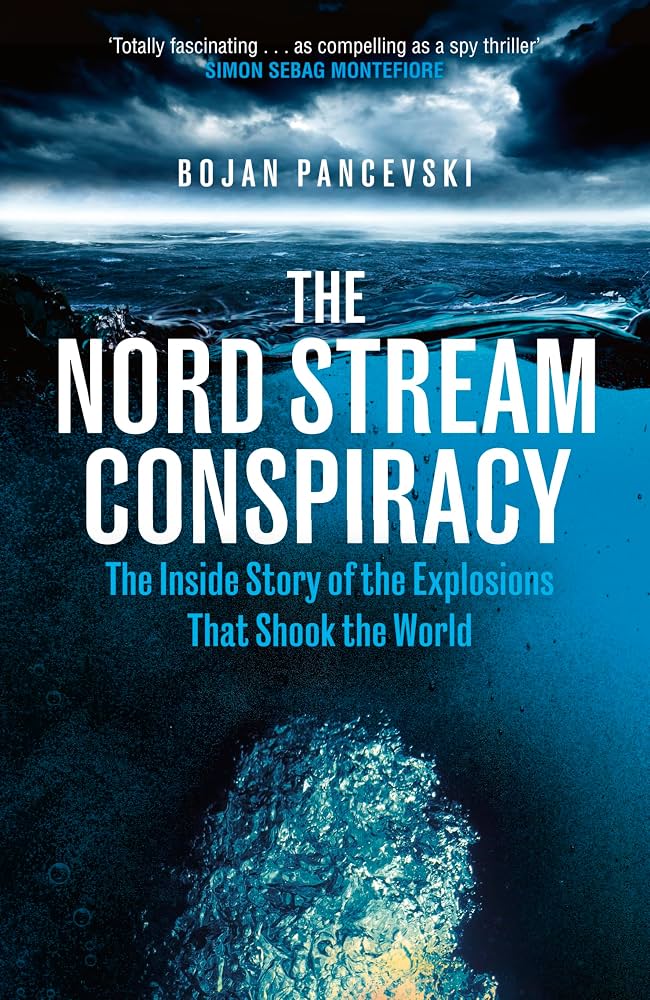
13. 🇩🇪 🇷🇺 The Nord Stream Conspiracy by Bojan Pancevski (Germany/Russia) not yet opened
Real-life spy caper: the inside story of the 2022 sabotage of the Nord Stream pipelines, the natural gas conduit between Germany and Russia, sabotaged to interrupt the cash flowing from Europe to Russia to lessen their ability to wage war in Ukraine. The book details the mission undertaken by a team of divers and intelligence officers and explores the geopolitical fallout as a true crime and war chronicle.
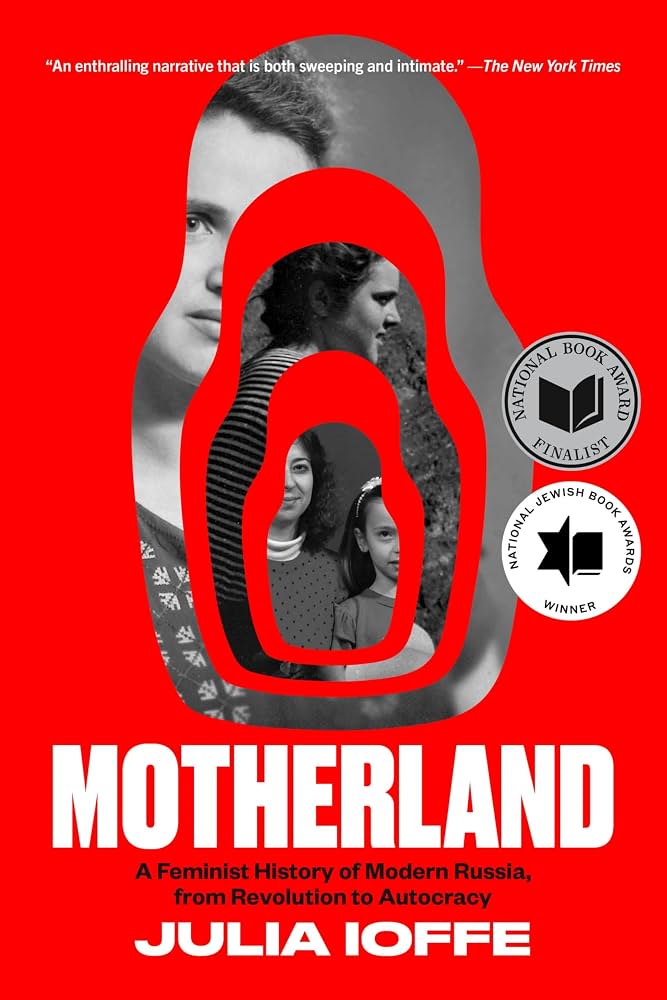
14. 🇷🇺 Motherland: A Feminist History of Modern Russia by Julia Ioffe (Russia) not yet opened
The story of modern Russia told through the history of its women, from revolution to utopia to autocracy. As a strong communist state women were encouraged to be doctors, engineers, scientists in support of the homeland. But the tides changed. When the author returns to Moscow twenty years after leaving she discovers the women can do anything narrative has been replaced by women desperate to marry rich and become stay-at-home moms. The book asks the question, how did Russia go from portraying itself as the vanguard of world feminism to being the last bastion of conservative Christian values?
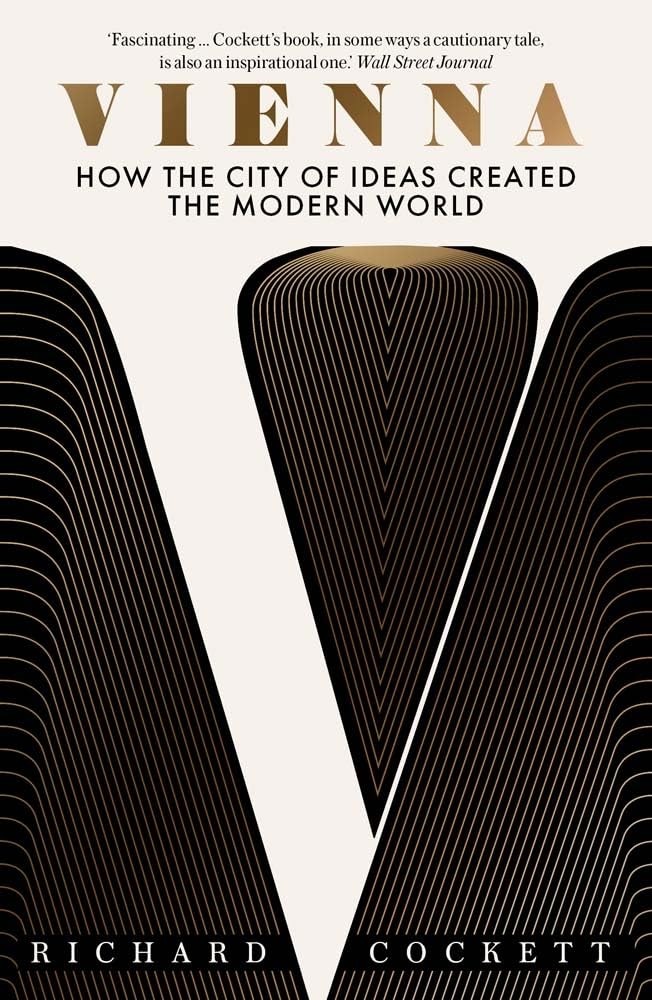
15. 🇦🇹 Vienna: How the City of Ideas Created the Modern World by Richard Cockett (Austria) not yet opened
This book claims that when fascism scattered Vienna’s thinkers across the globe, their ideas travelled too, giving rise to game theory, the free-market economics that became Reaganism, California modernist architecture, the American shopping mall, and the visual grammar of the Hollywood Western. Cockett traces all of this back to the late nineteenth century through the mid-1930s, when Vienna produced both some of the era’s “most humane ideas and some of its most pernicious pathologies.” I am intrigued.
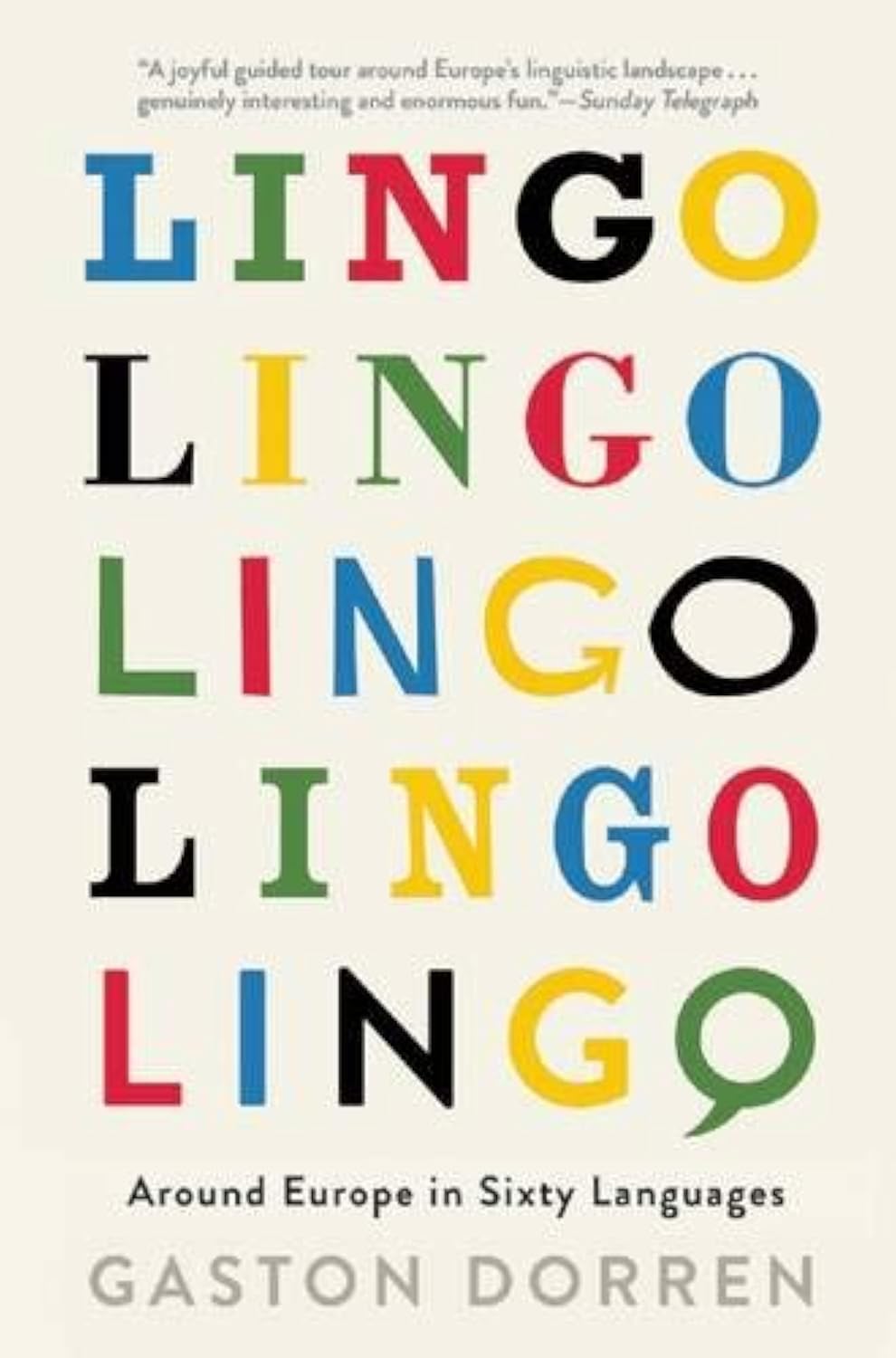
16. 🇳🇱 Lingo: Around Europe in Sixty Languages by Gaston Dorren (Netherlands) not yet opened
Gaston Dorren is a Dutch linguist and journalist who speaks six languages and reads nine more. This book is hist story of how European languages evolved and how they relate to each other, covering sixty languages in short chapters with a focus on the weird and surprising things that happened to each one along the way.
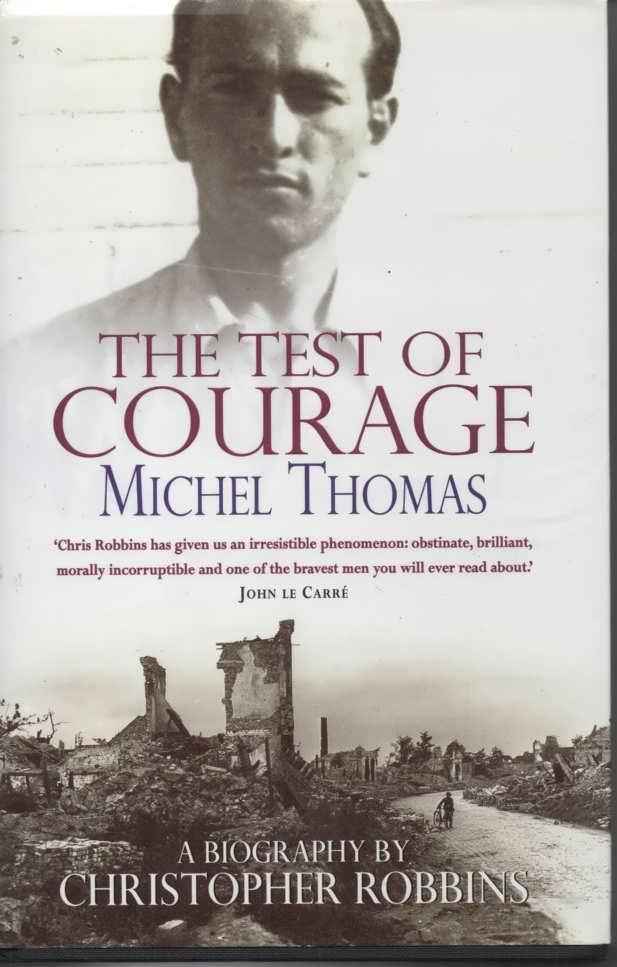
17. 🇫🇷 The Test of Courage: A Biography of Michel Thomas (France) not yet opened
I recently learned about Michel Thomas when looking for more audio-based ways to study languages. Six hundred days of Duolingo will teach you to recognize the word for “apple” in eleven languages but will leave you unable to talk to or understand a human being. Michel Thomas created a method that many consider very successful at quickly making people proficient at speaking and comprehension, because it is based on how we acquire our first languages, through listening and repetition. But before he did that, he was a Holocaust witness, a camp survivor, and after the war, a Nazi hunter. I want to learn more about his life and work.
18. 🇦🇱 Indignity: A Life Reimagined by Lea Ypi (Albania) not yet opened
After Lea Ypi shockingly stumbles across a photo of her grandmother honeymooning in the Alps in 1941, posted by a stranger on social media, she’s confused - her family insisted that all records of their history had been destroyed under communism. She began to wonder what else she didn’t know, thus undertaking this investigation, part family detective story, part historical reckoning. Apparently it moves between secret police files, court depositions, and Ypi’s own memories, reconstructing her grandmother’s life against the backdrop of the Ottoman Empire, the birth of modern Albania and Greece, and the violent arrival of communism in the Balkans. How do we understand the choices of people we love, under circumstances we can hardly imagine?
19. 🇬🇧 Aspects of the Novel by E. M. Forster (England) not yet opened
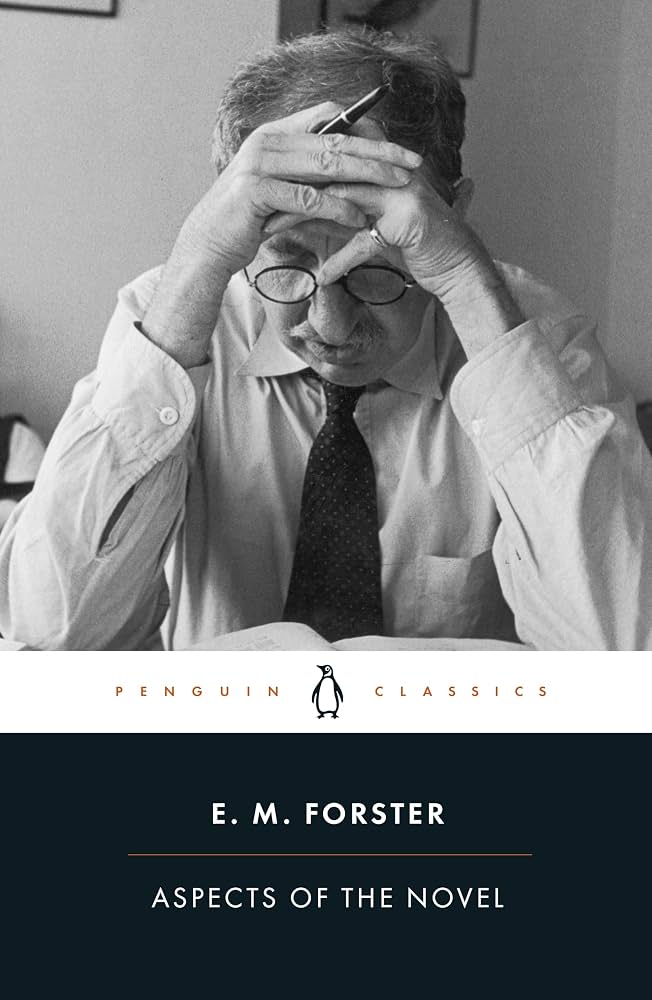
Based on a series of lectures Forster delivered at Trinity College, Cambridge in 1927, this is his theory of literature, organized around story, characters, plot, fantasy, prophecy, pattern, and rhythm. A lot of contemporary writing craft books apparently draw from this book, and it’s always nice to go meta and consider what makes us love the stories we love.
20. 🇭🇺 Eye of the Monkey by Krisztina Tóth (Hungary) not yet opened
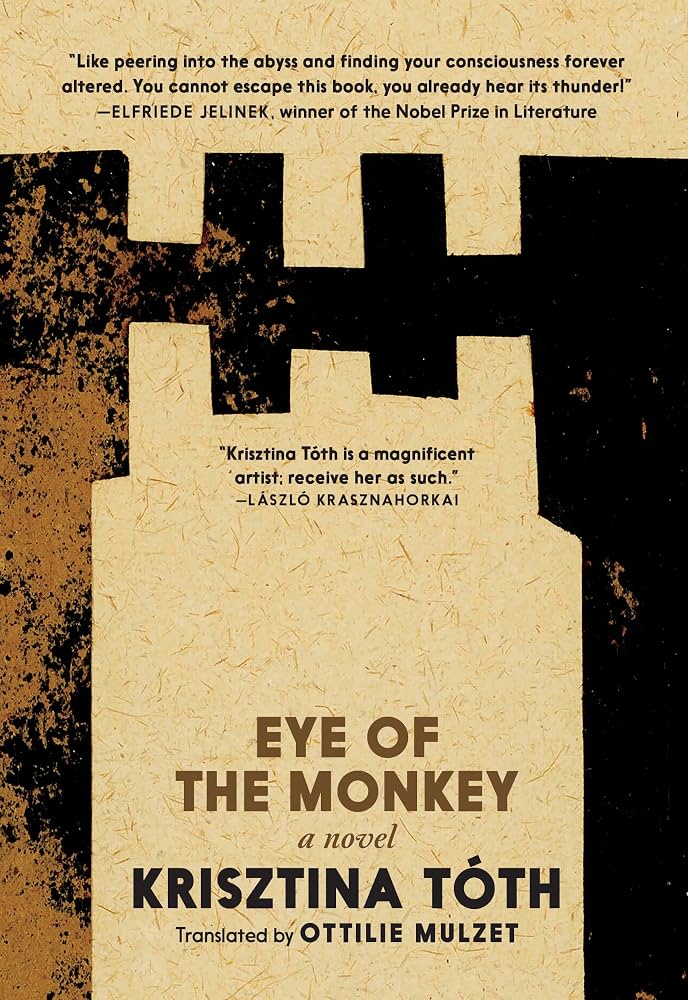
Set in an unnamed European country in the wake of a devastating civil war, Eye of the Monkey follows Giselle, a history professor on the verge of a nervous breakdown, who seeks help from a psychiatrist. Doctor and patient begin an affair, which goes badly. Meanwhile the country is ruled by an autocrat instituting mass surveillance, entrenched inequality, and state-controlled misinformation. Tóth herself fled Hungary after a smear campaign was launched against her for suggesting inclusive books be added to school curricula. This is her first novel translated into English.
The count so far
5 read
Lázár, Look What You Made Me Do, Villa Coco, The Hypocrite, The Witch
4 in progress
Land, When I Sing Mountains Dance, A Little Trickerie, Eurotrash
11 not yet opened
Tangerinn, Stay Alive, Spain My Way, The Nord Stream Conspiracy, Motherland, Vienna, Lingo, The Test of Courage, Indignity, Aspects of the Novel, Eye of the Monkey.
62 days left!
I look forward to reading all of your summer to be read lists, link em below.
Respond
Tags
Ten Books I'm Circling This Fall
Ten books I'm circling this fall, fiction and nonfiction, none of them comfort reads, for this week's Top Ten Tuesday.
Simply More by Cynthia Erivo
With music everywhere, home felt like a place I belonged. I could ask all the questions in the world and was never shamed for my curiosity. I could bring in as much music as I wanted and play it wherever and whenever I wanted.
Serviceberry Abundance and Reciprocity in the Natural World by Robin Wall Kimmerer
The book argues that joy and justice are not separate pursuits, and that caring for the earth is less about sacrifice than participation. By treating the world as a gift rather than a resource, Kimmerer reframes responsibility as relationship—and asks what becomes possible when we take only what we need and let the rest circulate.