Most Anticipated Books: Second Half of 2026
July 2, 2026 · 7 minutes read
A mix of fiction and nonfiction for the second half of 2026: prison blues, forbidden forests, a Veracruz con job, and the long fight over who counts as equal.
Can you believe it’s already the second half of the year? Six months gone, and the stack of books I haven’t read yet keeps getting taller. If you caught my European summer reading list recently, consider this its fall and winter counterpart. Publishers don’t slow down just because summer did its thing, so here are my most anticipated books of the second half of 2026, a mix of fiction and nonfiction, the ten titles landing between now and December that I’m already circling: a prison history of American music, a secret society hunting an underground kingdom in Vermont, a trio of forbidden novellas, a Veracruz con job, an electricity-thieving pincher, and the long, ugly American argument over who actually counts as equal.
The most anticipated books of the second half of 2026, at a glance:
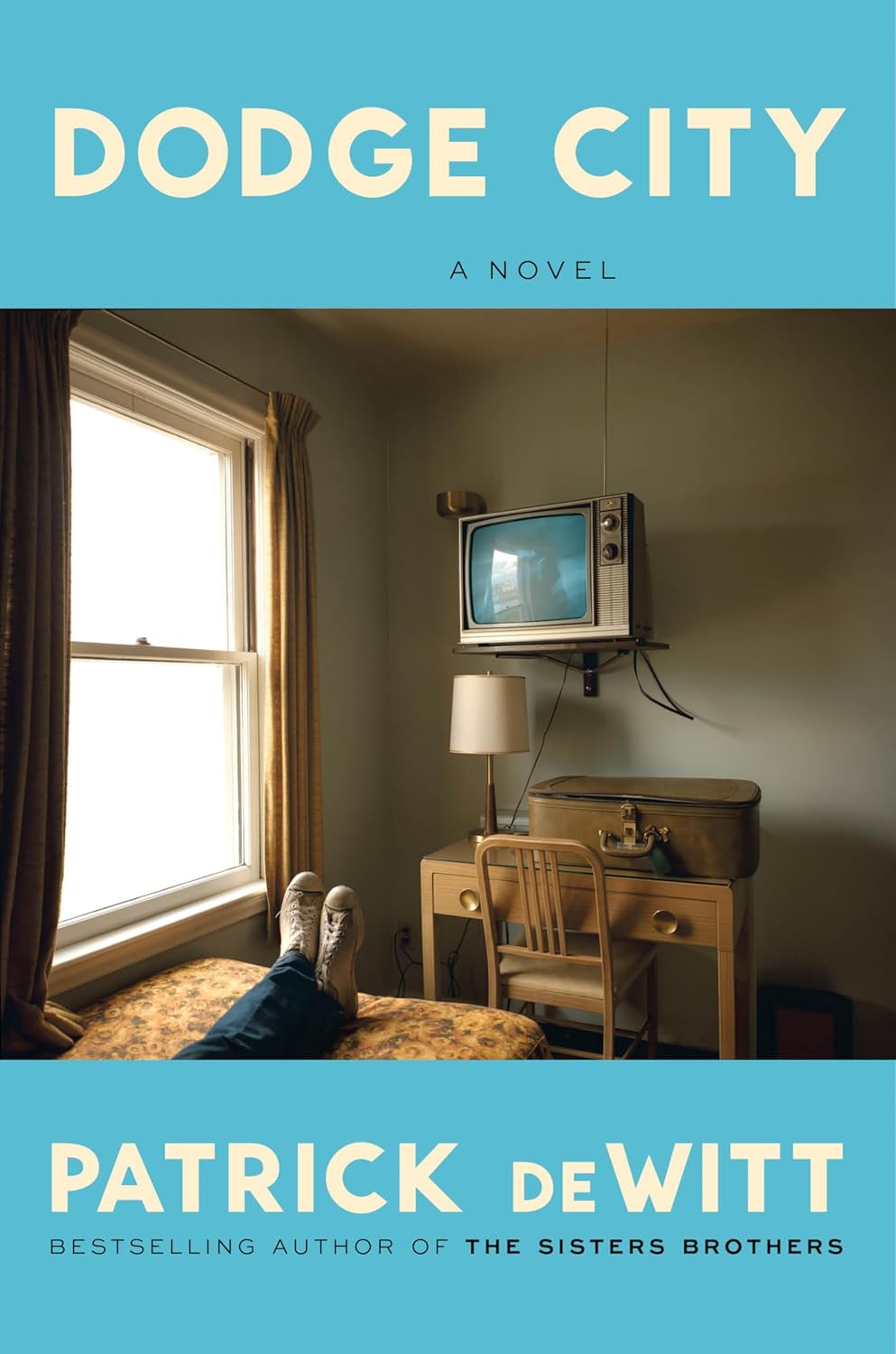
- Dodge City by Patrick deWitt — September 29
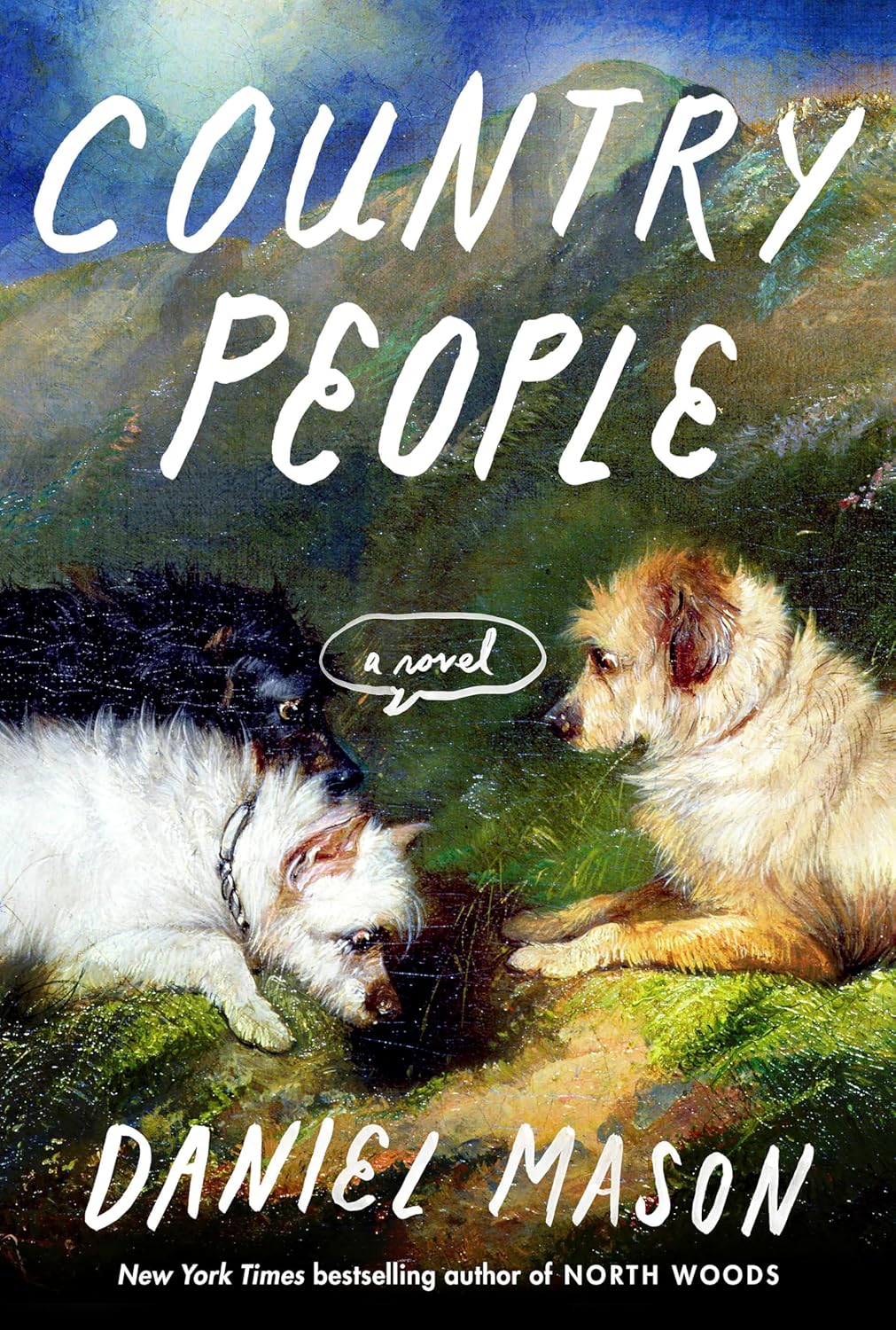
- Country People by Daniel Mason — July 7
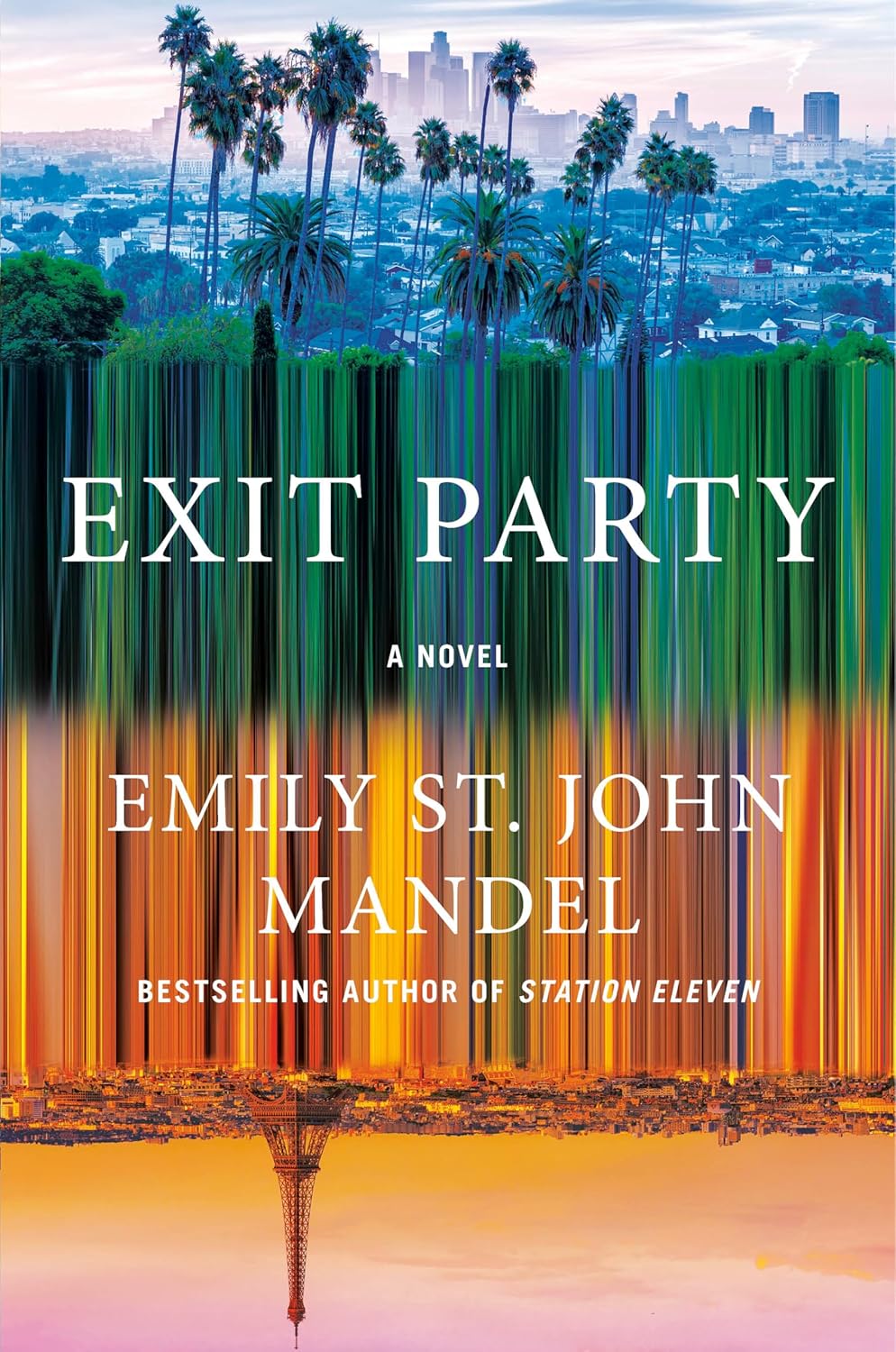
- Exit Party by Emily St. John Mandel — September 15
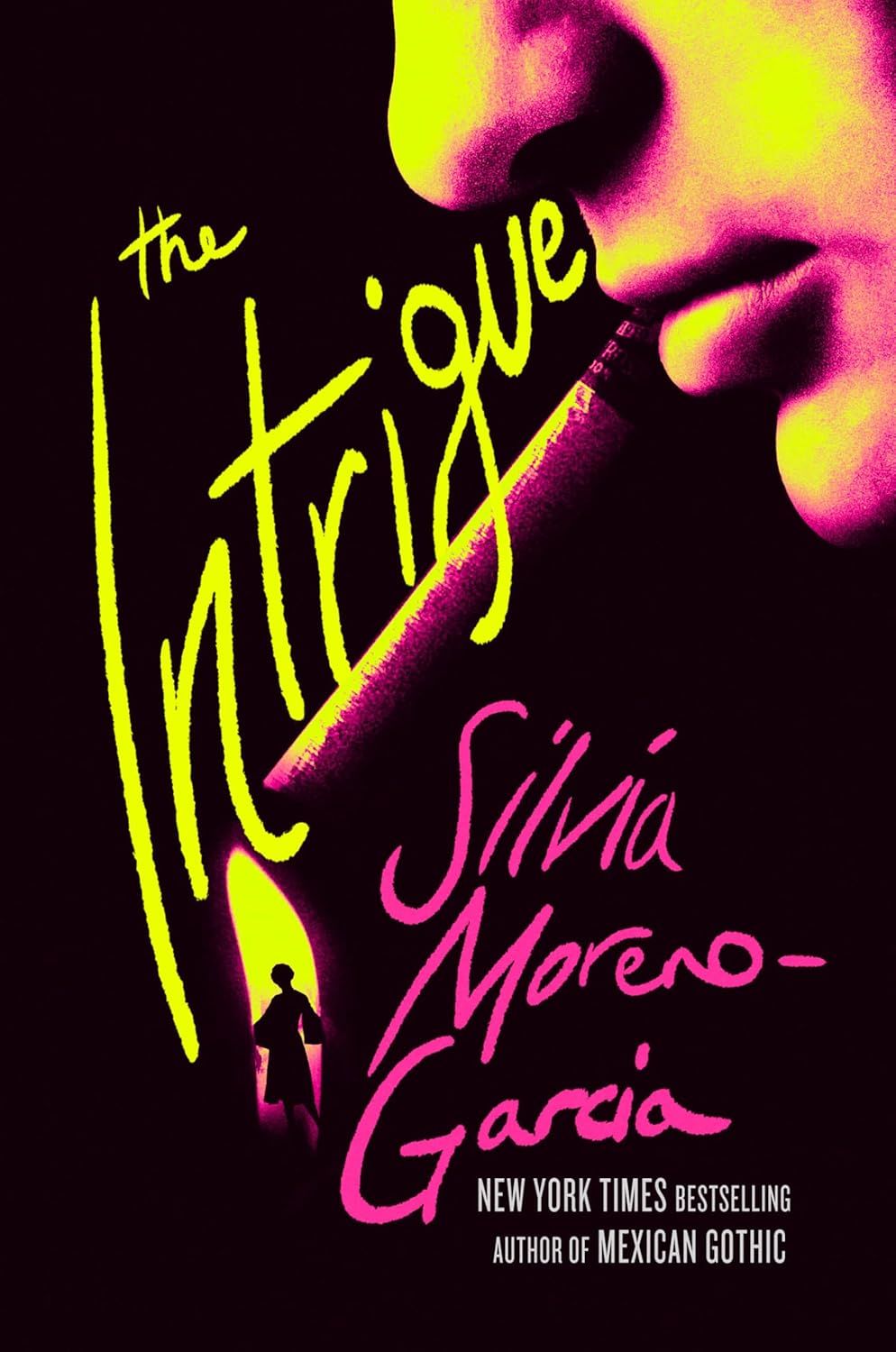
- The Intrigue by Silvia Moreno-Garcia — July 14
- Ply by Hernán Diaz — September 29
- We Were Forbidden by Jacqueline Harpman — July 7
- The Invisible Hand of Maria Edgeworth: How a Nineteenth-Century Novelist Taught the World Economics by Jeanna Smialek — October 6
- Country of Lords: Neo-Aristocrats, Social Darwinists, Tech Utopians, and the Long Fight Against Equality in America by Kim Phillips-Fein — July 21
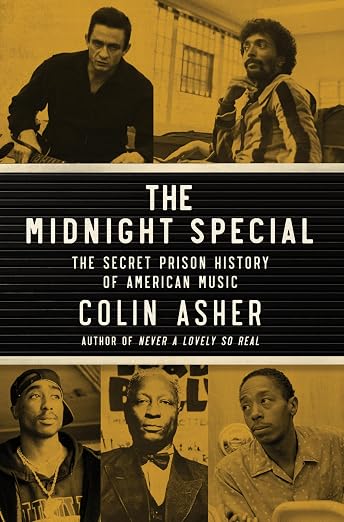
- The Midnight Special: The Secret Prison History of American Music by Colin Asher — June 30
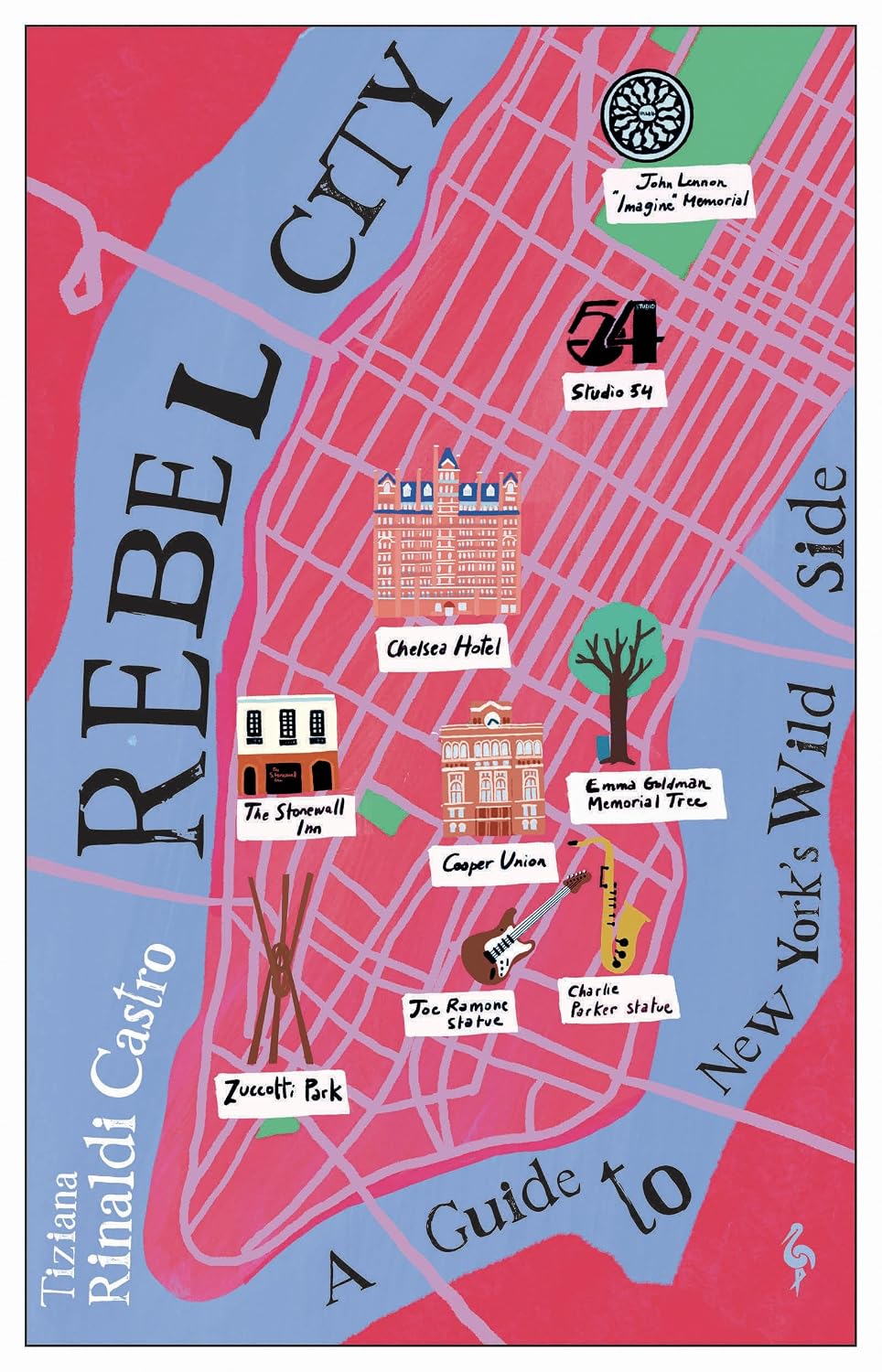
- Rebel City: A Guide to New York's Wild Side by Tiziana Rinaldi Castro — November 24
This post is part of That Artsy Reader Girl’s Top Ten Tuesday book linkup.
1. Dodge City by Patrick deWitt September 29, 2026
It’s 1967, Lee Clarke gets expelled from UCLA over a fistfight, loses his draft deferment, and decides to flee to Canada rather than fight in Vietnam. He takes a job driving a stranger’s Jaguar cross-country, fueled by a bag of amphetamines and stopping along the way to say goodbye to his unraveling family: an alcoholic veteran father, a manic mother holed up with her shut-in brother, a heartbroken brother, and a twin sister having an affair with a married doctor. I’ve been reading deWitt since he was tending bar in Portland, and I’ll pick up anything he publishes at this point. A road trip novel with this much American history packed into it sounds like exactly the kind of rompish chaos he does best.
2. Country People by Daniel Mason July 7, 2026
Miles Krzelewski owns a truffle-hunting dog in a place with no truffles. He’s twelve years late on his dissertation about Russian folktales when his wife accepts a visiting professorship in Vermont, and he decides this will finally be the year he gets his life together. Instead he falls in with an eccentric cast of locals, including a snowflake photographer on a motorized scooter, and gets pulled into a secret society hunting for a legendary portal to an underground kingdom. Mason wrote North Woods, so the supernatural nosing up against the everyday is part of the deal here too.
3. Exit Party by Emily St. John Mandel September 15, 2026
It’s 2031, the first spring after the collapse of the United States, and Ari Walker is fresh out of prison and headed to a party in Echo Park. The mood is ecstatic until a bewildered doppelganger stumbles through the crowd and the party’s host vanishes into thin air. From there the book splits into shadow worlds and fractured timelines, sending the story from a Greek cliffside where weapons dealers hide out all the way to a colony on the moon, with a domed Paris somewhere in between. It also loops back into Mandel’s own expanded universe, with a painting from The Glass Hotel turning up as a recurring object of obsession.
4. The Intrigue by Silvia Moreno-Garcia July 14, 2026
Ulises has spent years charming lonely women out of their savings through letters, but it’s 1940s Mexico and the grift is drying up. He sets his sights on Perla, who owns a boardinghouse in small-town Veracruz, only to find her niece Inés already onto his plan and demanding half the take. Perla turns out to be a tougher mark than either of them expected. A noir told in alternating chapters between con artist, niece, and target, pitched somewhere between Double Indemnity and a telenovela.
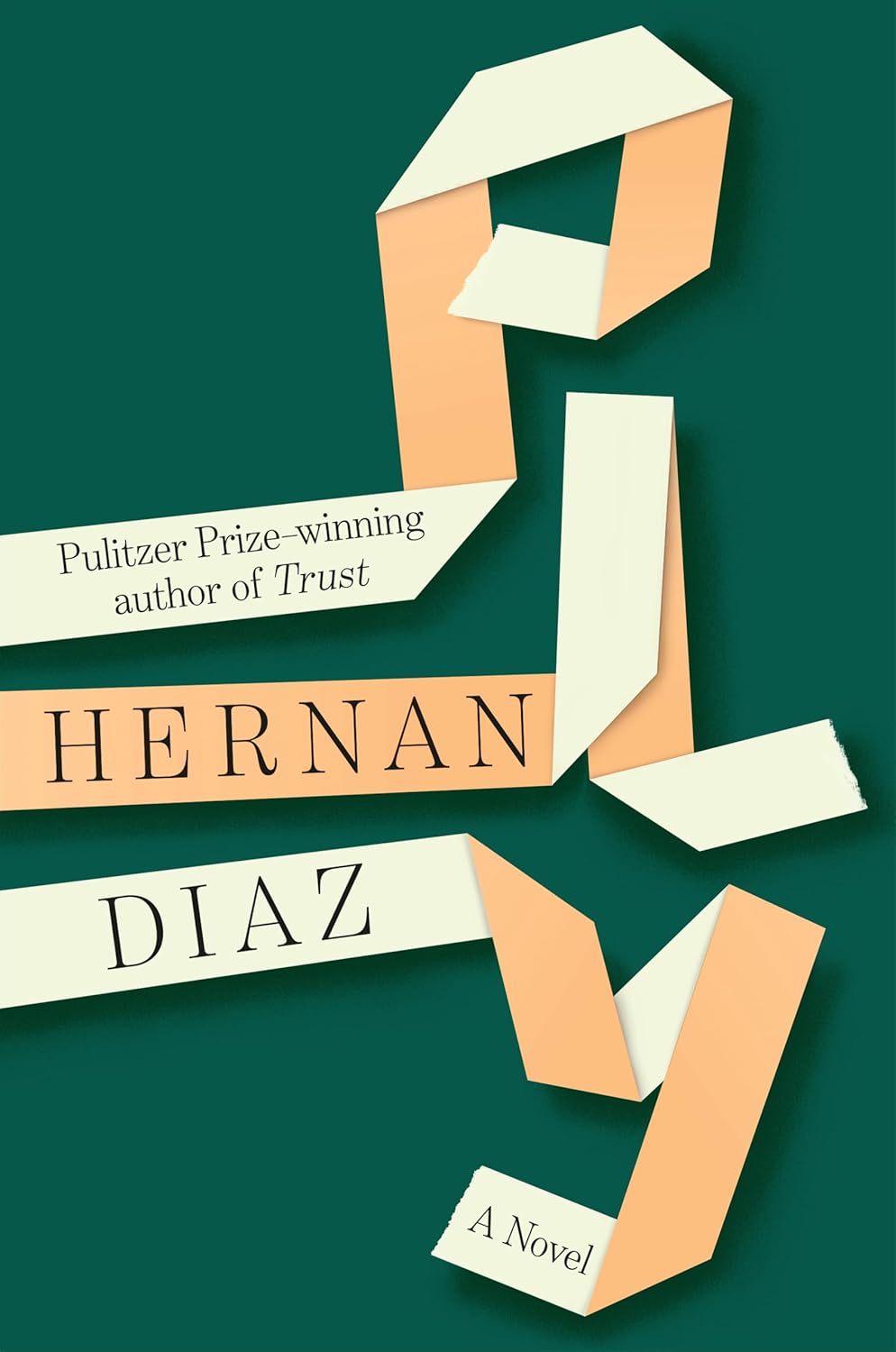
5. Ply by Hernán Diaz September 29, 2026
Centuries in the future, an orphan known only as a pincher survives by stealing electricity off the grid and selling it on the black market, using some of it to power illegal underground concerts. That hustle eventually puts her in the path of a massive scientific invention with the power to rewrite reality itself. Diaz is best known for Trust, so this is a hard left turn into science fiction for him.
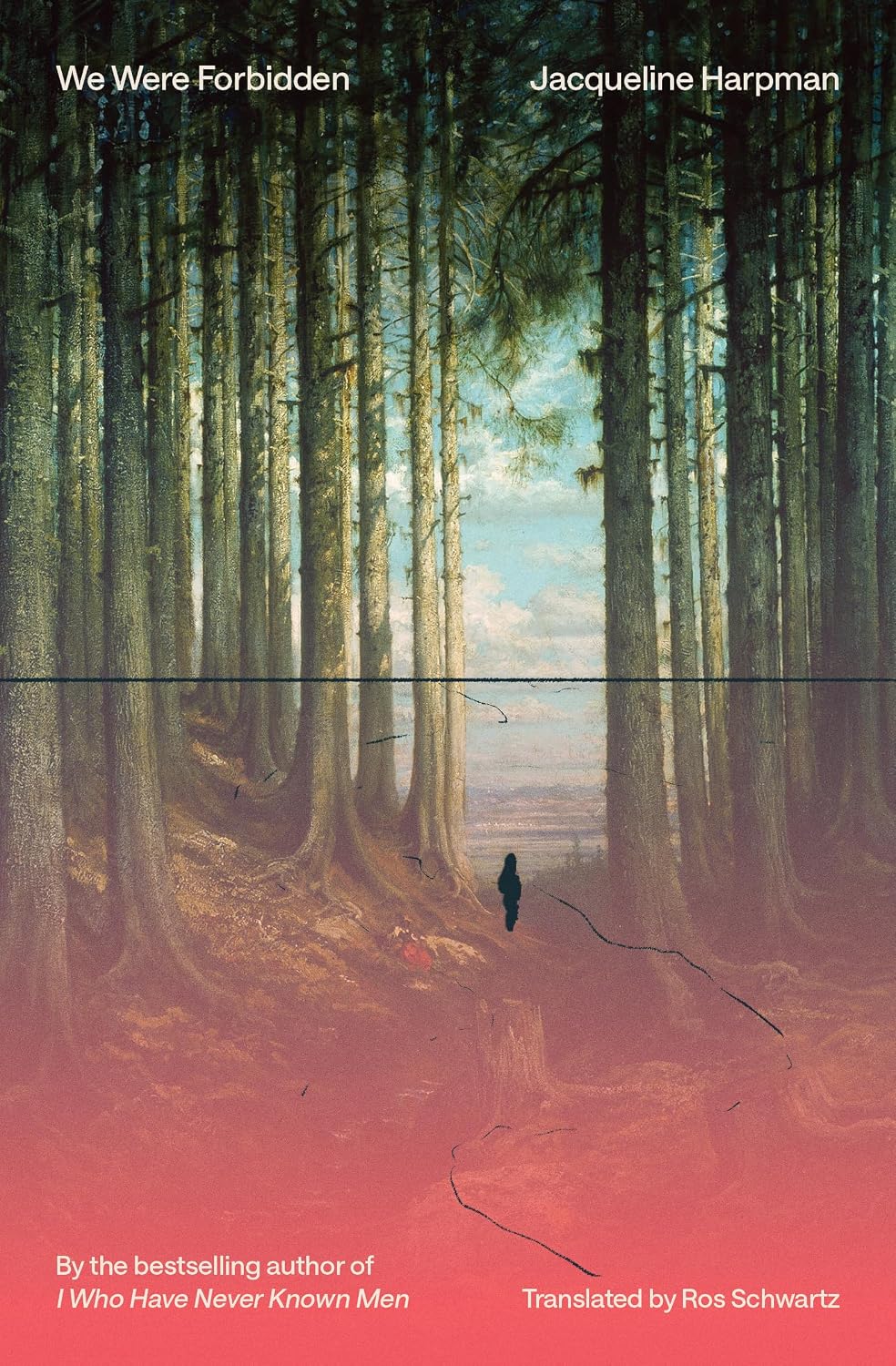
6. We Were Forbidden by Jacqueline Harpman, translated by Ros Schwartz July 7, 2026
Three novellas, the first of Harpman’s work to appear in English in decades, each built around a woman told to stop questioning, whether that’s a war survivor forbidden from ever pausing her march through an unnamed forest or a teenage girl at a rigid 1940s Casablanca school punished swiftly for doubting the dogma she’s taught. The third follows a young wife in the Belgian bourgeoisie who meets her husband’s demands twice weekly, on schedule, and hasn’t yet thought to want anything of her own. Harpman wrote this before I Who Have Never Known Men, and you can apparently feel that book’s bones forming here.
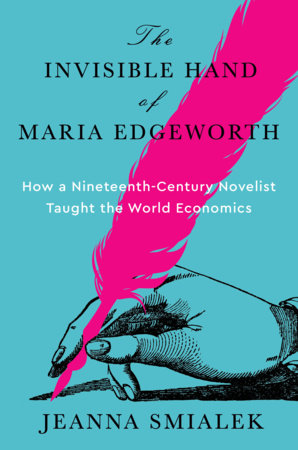
7. The Invisible Hand of Maria Edgeworth: How a Nineteenth-Century Novelist Taught the World Economics by Jeanna Smialek October 6, 2026
Maria Edgeworth was one of the best-selling novelists of the Regency era, and New York Times reporter Jeanna Smialek argues she also taught the world modern economics. Edgeworth was close friends with David Ricardo, and Smialek traces how she wove his ideas about trade, land, and value directly into her fiction, well before economics existed as its own formal field. The book makes the case that Edgeworth deserves real credit in the history of economic thought, not just literary history.
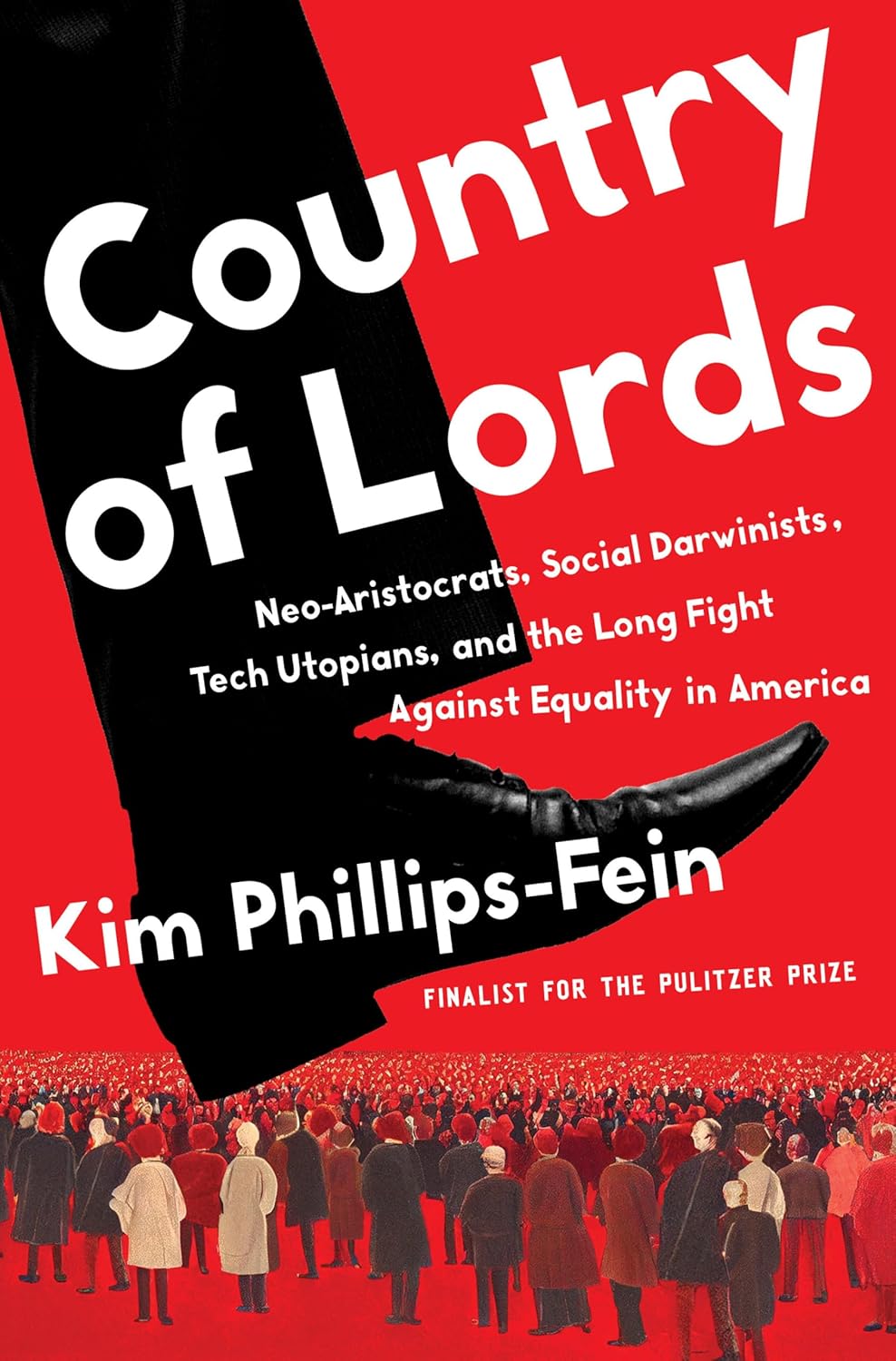
8. Country of Lords: Neo-Aristocrats, Social Darwinists, Tech Utopians, and the Long Fight Against Equality in America by Kim Phillips-Fein July 21, 2026
Phillips-Fein digs through forgotten archives to trace 250 years of Americans arguing that “all men are created equal” was never meant literally. John Adams, Andrew Carnegie, Henry Ford, and Peter Thiel all show up as members of the same counter-tradition, one that treats hierarchy as natural and democracy as an inconvenience. Phillips-Fein is a real scholar, and I think she’s bringing genuinely interesting research into a conversation that usually just repeats itself: we’ve always had people trying to convince everyone else they deserve to be better off.
9. The Midnight Special: The Secret Prison History of American Music by Colin Asher June 30, 2026
Lead Belly was made to perform in his prison clothes, and Colin Asher uses that image to open a history of five musicians whose careers were shaped by incarceration: Lead Belly, jazz pianist Elmo Hope, Johnny Cash, soul singer Ike White, and Tupac Shakur. Asher traces how the criminal justice system treated them differently along racial lines, from Jim Crow-era prison farms through the heroin-fueled jazz busts of the mid-century to the dawn of mass incarceration. The book argues that white artists often profited from a brush with crime while Black musicians paid for it with their careers. Comparing Elmo Hope’s Sounds from Rikers Island to Johnny Cash’s At San Quentin is apparently one of its sharper moves.
10. Rebel City: A Guide to New York’s Wild Side by Tiziana Rinaldi Castro November 24, 2026
A borough-by-borough guide to the New York of Stonewall, the Harlem Renaissance, Occupy Wall Street, and the Beat poets, cross-referencing locations with the rebels who made them matter: Frederick Douglass, Emma Goldman, Malcolm X, the Black Panthers. Billed as part walking guide, part history, part Patti Smith memoir, with a full index and bibliography for anyone who wants to keep pulling threads.
Respond
Tags
Villa Coco by Andrew Sean Greer
I am certain I was no more or less irritating than any other good American son of the century, unweathered by experience and unwise to the world. Whatever attributes one found in me were simply, as in the Pekingese, part of the breed.
Meditations for Mortals by Oliver Burkehead
My conversations helped me recognise a deeper issue, too, which is the way our ceaseless efforts to get into the driver’s seat of life seem to sap it of the very sense of aliveness that makes it worth living in the first place.
Rebel Girl by Kathleen Hanna
Maybe the struggle for language was the moment we were trapped in. Why were we always supposed to answer ignorant questions with thoughtful, articulate answers? Why were we always explaining ourselves? Maybe that was what third-wave girls were about: speaking back to power with sounds that didn't always make sense.